
Why a Quito Layover Feels Like Visiting Two Hemispheres in One Day
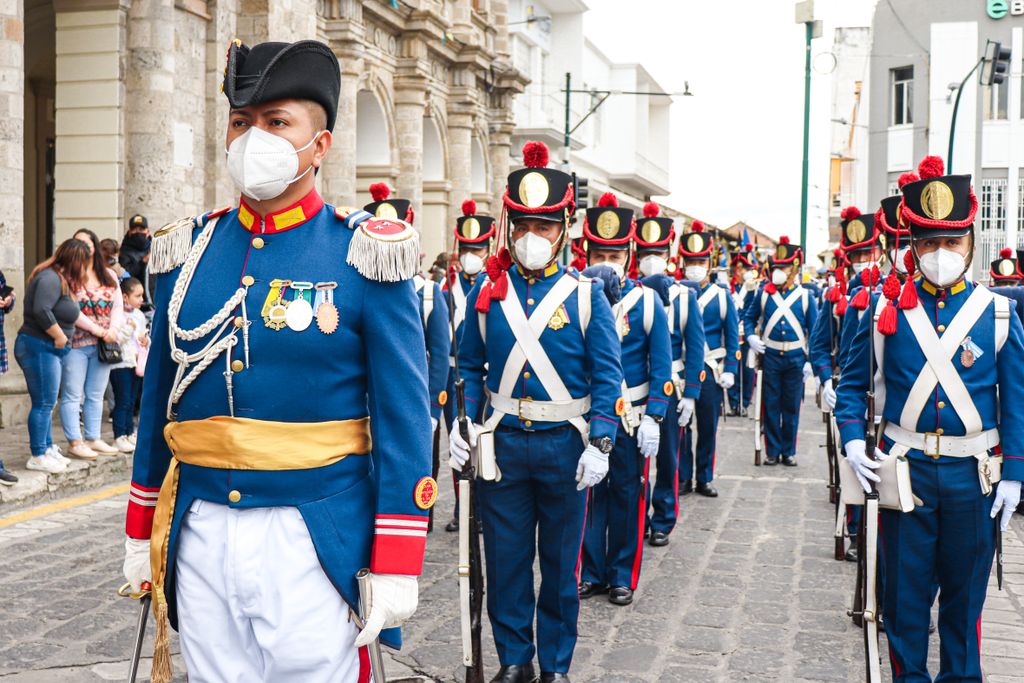
Quito’s historic centre was the first city in the world designated a UNESCO World Heritage Site — in 1978, the inaugural year of the programme. It beat Venice. It sits at 2,850 metres above sea level between two volcanoes. And the airport is 35 kilometres east of the city, which means every taxi ride into Quito gains 450 metres of altitude.
In December 1978, UNESCO’s World Heritage Committee met for the first time and designated 12 inaugural sites. Quito’s historic centre was one of them — the best-preserved colonial city in Latin America, described by the Committee as an outstanding example of Spanish Baroque urban planning. Venice was also on the inaugural list. So was Galápagos. Quito the city was listed, not just a single monument — the entire colonial grid, the churches, the convents, the plazas — all of it was there in 1978 before the programme had established any precedent. Ecuador had submitted the application and it had succeeded. Most visitors to Quito do not know this. Most travellers who pass through UIO do not leave the airport. Both of these are errors worth correcting.
Mariscal Sucre International Airport (UIO) opened in 2013, replacing the old city-centre airport that had become genuinely dangerous — surrounded by buildings and subject to extreme wind shear. The new airport sits in the Tababela valley 35km east of the historic centre at 2,400m elevation. The city is at 2,850m — you gain altitude on the way in, which is the opposite of what most arriving passengers expect. Altitude sickness (soroche) is a real consideration: headache, nausea, and fatigue in the first 24–48 hours at this elevation are common for visitors from sea level. This guide notes it consistently because it is the variable most likely to affect a Quito layover plan.
Mariscal Sucre International Airport (UIO) is Ecuador’s busiest airport, handling over 5 million passengers annually. Hub carriers are Avianca Ecuador and LATAM Ecuador; COPA Airlines, American Airlines, Delta, United, Iberia, Air France, KLM, Lufthansa, and several others also operate at UIO. The airport has a single terminal with domestic and international check-in on the same level — navigating it is straightforward. The taxi from the official counter inside arrivals to the Old Town takes 45–60 minutes at a fixed USD 25–30 fare. An Aeroservicios airport shuttle runs for USD 8 but takes longer due to multiple stops.
Ecuador uses the US dollar. No currency exchange is needed for visitors arriving with USD cash. There are no foreign transaction issues, no conversion rates to memorise, no ATM surcharges beyond your home bank’s international withdrawal fee. This makes budget planning for a Quito layover among the simplest of any destination in this series.
Quito sits at 2,850m — approximately the same elevation as base camp for many Himalayan trekking routes. At this altitude, the air contains roughly 27% less oxygen than at sea level. Most visitors from low-altitude origins experience some degree of soroche (altitude sickness) in the first 24–48 hours: headache, fatigue, shortness of breath on exertion, and nausea. For a layover visitor spending 4–8 hours in the city, the effects are real but manageable. Walk slowly, drink water, avoid alcohol, and reduce physical exertion. Symptoms are typically mild and begin improving within a few hours as your body adjusts. If symptoms are severe, return to the airport (at lower elevation) and seek medical attention. The airport itself at 2,400m can provide partial relief.
Ecuador is one of the most open border policies in South America: citizens of over 100 countries, including the US, EU, UK, Canada, Australia, and Japan, enter visa-free for up to 90 days with a valid passport and return/onward ticket. No advance application required. For nationalities requiring a visa or for Galápagos-specific entry requirements (a separate TCT card at USD 20 is required for the Galápagos), use iVisa to verify before booking.
45–60 minutes off-peak by official taxi (USD 25–30 fixed fare from the counter inside arrivals). Up to 90 minutes during morning rush (07:30–09:30) and evening peak (17:30–19:30). The Aeroservicios shuttle costs USD 8 but takes 60–80 minutes due to multiple stops. For a layover where time matters, the official taxi is the correct choice.
Yes — and more so than most layover guides acknowledge. At 2,850m, a first-time visitor from sea level will feel the reduced oxygen within 30–60 minutes of arriving in the city: slower walking pace, mild headache, slightly laboured breathing on stairs. For a 4–6 hour layover this is manageable. Walk slowly, avoid alcohol, drink water. Severe soroche (vomiting, inability to stand) is uncommon on short visits but exists — if symptoms are severe, descend to the airport level and rest.
Galápagos domestic flights (Avianca Ecuador, LATAM Ecuador to Baltra GPS or San Cristóbal SCY) depart from UIO’s domestic terminal. The mandatory Galápagos Transit Control Card (TCT, USD 20) must be purchased at the UIO airport before boarding the domestic flight — not at the Galápagos airport. The TCT counter is in the UIO domestic departures area. Minimum time from international arrival to domestic Galápagos departure: 2.5 hours.
The Plaza de la Independencia (Plaza Grande) with the Government Palace and Cathedral. La Compañía de Jesús — the Jesuit church whose gold-leaf interior reportedly contains seven tonnes of gold. The Basilica del Voto Nacional (unfinished neo-Gothic cathedral with gargoyles replaced by Galápagos iguanas and tortoises). La Ronda — the restored colonial cobblestone street with workshops and local food. All are within a 15-minute walk of each other in the UNESCO core zone.
Ecuador’s Route Network from UIO
UIO is the primary hub for international connections to Ecuador and the distribution point for the Galápagos Islands, the Amazon basin, and the Andean interior. Avianca Ecuador (Star Alliance) and LATAM Ecuador (oneworld) dominate domestic routes including Guayaquil (GYE, 45 min), Baltra Galápagos (GPS, 3h), and the Amazon gateway of Coca (OCC, 1h). International carriers serving UIO include American Airlines (MIA, 5h), Delta (ATL, 6h), United (IAH, 4h 30min), COPA (PTY, 3h), Iberia (MAD, 12h), Air France (CDG, 13h), KLM (AMS, 13h), and Lufthansa (FRA, 13h). The KLM and Air France direct services make UIO one of the most connected South American airports for European travellers seeking Galápagos itineraries without North American connections.
Star Alliance member, strongest domestic Ecuador network including Galápagos. Miles credit on United MileagePlus. Dominates UIO–GPS and UIO–GYE routes with multiple daily departures.
oneworld member, extensive South American network from UIO including Lima, Santiago, São Paulo. Primary option for travellers building multi-country Andean itineraries from Quito.
KLM and Air France both operate direct AMS/CDG–UIO. Iberia operates MAD–UIO. These are the primary European non-stop options avoiding a US connection for Galápagos-bound European travellers.
American (MIA), Delta (ATL), United (IAH). All three US majors serve UIO with direct flights from their primary hubs. The Miami connection is the most frequent and has the best onward connection timing for Galápagos-bound travellers.
Should You Leave? The Quito Layover Gauge
The 45–60 minute taxi from UIO to the Old Town and back (90–120 minutes round-trip total) is the fixed overhead for any Quito city visit. Add 20–30 minutes for the altitude adjustment period after arriving in the city, and the usable time compresses quickly on shorter windows. Plan around this honestly.
The round-trip taxi consumes 90–120 minutes. The altitude adjustment in the city takes 20–30 minutes of your arrival time. Under 5 hours, you arrive in the Old Town with 2 usable hours and need to leave immediately after. UIO’s terminal has decent food options and free Wi-Fi. The Quito Old Town will be there the next time you pass through — and you will likely pass through again, because everyone going to the Galápagos comes through here.
The Plaza de la Independencia, La Compañía de Jesús, and La Ronda street are achievable on a 5–8 hour window. Take the official taxi (USD 25–30), arrive in the Old Town, walk slowly (altitude is real), see the three core sites, eat at any restaurant on La Ronda, and return with 2.5 hours before your departure. Do not attempt the Teleférico cable car (3,945m summit) on this window — the altitude gain makes soroche worse, and the queue adds unpredictable time.
Old Town in the morning (Plaza Grande, La Compañía, Basilica, La Ronda), lunch at a traditional Ecuadorian restaurant, then either the Teleférico cable car to 3,945m for the volcano panorama (30 min drive north of Old Town) or La Mitad del Mundo monument (22km north of the city, the equatorial line site — UNESCO’s 1978 application included this landmark). With 12+ hours: both are achievable. Return to UIO with 2.5-hour departure buffer.
Work out your Quito window precisely
Enter your UIO landing time and departure gate-close. The 90-minute round-trip taxi plus altitude adjustment makes Quito’s usable time significantly shorter than the raw layover duration suggests.
Getting from UIO to Quito City Centre
| Option | Time | Cost | Notes |
|---|---|---|---|
| Official Airport Taxi Recommended Fixed-fare counter inside arrivals hall |
45–60 min off-peak; up to 90 min peak | USD 25–30 to Old Town / La Mariscal | Fixed zones, metered at the counter — no negotiation needed. Use only the official IATA counter inside arrivals. Do not accept solicitations from drivers inside the terminal building. |
| Aeroservicios Shuttle Shared airport bus service |
60–80 min (multiple stops) | USD 8 | Budget option with multiple drop-off points across Quito. Useful for La Mariscal (New Town) or El Ejido. Slower due to stops — not recommended for a layover where time is the constraint. |
| Uber / inDriver Rideshare — request from terminal exit |
45–60 min off-peak | USD 18–25 | Works in Quito but requires a live data connection. Activate an Airalo eSIM before landing. The official taxi counter offers comparable pricing with no app dependency. |
| Welcome Pickups Pre-booked fixed price |
45–60 min | Fixed USD rate | Pre-booked before landing, driver monitors your flight. Right choice when your Galápagos connection timing is critical and you need certainty on the return transfer. Pre-book Welcome Pickups. |
Ecuador adopted the US dollar in 2000 and uses it exclusively. No currency exchange, no conversion rates, no foreign transaction complexity. If you have USD cash, you can pay for everything. If not, the Banco Pichincha ATMs inside UIO arrivals dispense USD at a standard withdrawal fee. Use a Wise card for the best USD withdrawal rate if your home currency is not USD. Revolut also converts at competitive rates for USD withdrawals.
What to Do in Quito on a Layover
Centro Histórico — The First UNESCO World Heritage City
Quito’s historic centre is a 320-hectare colonial grid designated as the first UNESCO World Heritage Site in 1978, the inaugural year of the programme. The designation covered the entire historic district — not a single monument but the urban fabric itself: the churches, convents, plazas, and streets built by the Spanish on the foundations of the Inca city of Tomebamba between 1534 and 1820. The core circuit covers four sites within a 15-minute walk of each other, all accessible from the Plaza de la Independencia (Plaza Grande).
La Compañía de Jesús
The Jesuit church on García Moreno street, completed 1765, is the most elaborate Spanish Baroque interior in the Americas. The walls, ceilings, and columns are covered in 23-carat gold leaf applied over carved cedar and algarrobo wood — the entire interior surface, floor to ceiling. It reportedly took 163 years to complete and contains an estimated seven tonnes of gold. For a layover visitor with only 30 minutes in any single building, this is the one to spend them in. Open Monday–Saturday 09:30–17:00, Sunday 12:00–16:00. Entrance: USD 4. Photography permitted without flash.
Plaza de la Independencia and the Government Palace
The main square of Quito’s colonial centre, surrounded by the Presidential Palace (Carondelet), the Metropolitan Cathedral, and the Archbishop’s Palace. The Carondelet has a Diego Rivera-influenced mural in its main corridor and is open for limited public visits on weekends. The cathedral’s interior holds the tombs of several presidents including Antonio José de Sucre, the general who secured Ecuador’s independence in the 1822 Battle of Pichincha. The square itself is the best starting point for the historic centre — all other sites radiate from here.
Basílica del Voto Nacional
The neo-Gothic basilica begun in 1892 and still technically “unfinished” — which means its towers are open for climbing (USD 3) and the gargoyles on the exterior are not generic European medieval creatures but Galápagos iguanas, tortoises, armadillos, and monkeys. This is one of the more specific architectural details in South America: a 19th-century Gothic church populated with the endemic wildlife of an island chain 1,000km away. The tower views over the colonial city, with Pichincha volcano behind it, are the best elevated views of Quito’s historic centre available without the Teleférico.
La Ronda
Calle Juan de Dios Morales, known as La Ronda, is the oldest cobblestone street in Quito — a narrow colonial lane of workshops, artisan studios, and traditional restaurants running beneath iron balconies. It was a gathering point for Quito’s artists and poets in the 20th century and has been carefully restored. The Morocho (a sweet corn drink with cinnamon) at the street food stalls, the hand-rolled chocolate, and the artisan craft shops selling tagua nut jewellery and Otavalo weaving are the correct things to engage with here. Accessible on foot from the Plaza Grande: 7 minutes south on García Moreno.
La Mitad del Mundo — The Middle of the World
La Mitad del Mundo monument complex sits 22km north of the city on the equatorial line (latitude 00°00’00”). The large concrete monument and the ethnographic museum inside are the standard tourist visit. More interesting: the adjacent Intiñan Solar Museum, where you can see the Coriolis effect demonstrations, balance an egg on a nail at the equatorial line, and walk across the GPS-measured actual equator (the monument itself is 240m south of the true equatorial line — the Intiñan museum is on the correct GPS position). Allow 30 minutes each way by taxi from the Old Town (USD 10–12) and 60–90 minutes at the site.
La Compañía de Jesús — The Gold Interior
The interior of La Compañía is almost impossible to photograph inadequately — it is simply one of the most visually saturated spaces in the Americas. The best composition is from the main entrance looking toward the altar, shooting wide to include both side chapels and the vaulted gold ceiling in a single frame. The available light is low — the windows are small and filtered through thick walls. ISO 1600–3200 with a wide aperture on a 24mm or wider equivalent. Do not use flash. The midday window (12:00–13:30) has the best natural light entry through the upper windows.
12:00–13:30 for best natural light. From the entrance looking east toward the altar. Wide (24mm or wider). No flash. ISO 1600–3200.
Basílica del Voto Nacional — Galápagos Gargoyles
The exterior northeast tower of the Basílica has the most concentrated collection of Galápagos animal gargoyles — a Galápagos tortoise on the northeast parapet is the most photographed. From the street below, a 200mm equivalent focal length isolates individual gargoyles against the Quito skyline. For the tower interior view: climb to the second tower level (USD 3) for the elevated view over the colonial roofscape with Pichincha volcano visible on clear mornings. The tortoise gargoyle is on the northeast exterior corner, visible from the Carchi street pavement level.
Northeast corner exterior. 200mm equivalent for isolated gargoyle. Morning light before the clouds build over Pichincha (before 10:00).
Quito Layover Itineraries
UIO immigration: 20–30 minutes off-peak. Official taxi counter in arrivals: USD 25–30 to Old Town, fixed fare. 45–60 minutes to the Plaza de la Independencia. Total from touchdown: 70–90 minutes. Walk slowly on arrival — you are at 2,850m and your body needs 20 minutes to adapt before exerting on stairs or hills.
The main square of the colonial city. Walk the perimeter, see the Carondelet Government Palace, enter the Metropolitan Cathedral (no charge, open mornings). 30 minutes.
2-minute walk from the Plaza. USD 4 entrance. The gold interior. 30–45 minutes inside. This is the non-negotiable single stop of the Quito layover — the seven tonnes of 23-carat gold leaf applied to every surface of a 250-year-old Baroque church is genuinely unlike anything else in the Americas.
7-minute walk south of the Plaza on García Moreno. Traditional Ecuadorian lunch: seco de pollo (chicken stew with rice and plantain, USD 4–6), hornado (roast pork, USD 4–5), or fanesca (bean and grain soup, seasonal). Budget USD 6–10. Artisan shops — tagua nut carvings, Otavalo wool weavings, hand-rolled chocolate. 60–75 minutes.
Official taxi from the Old Town or La Mariscal: USD 25–30, 45–60 minutes to UIO. At UIO: 2.5-hour buffer for international departures (check-in closes 90 minutes before departure; security takes 20–30 minutes). Be at UIO 2.5 hours before gate close.
As the 5-hour itinerary: Plaza Grande, La Compañía (opens 09:30), La Ronda for late morning coffee. 3 hours total. Morning is best for La Compañía — fewer visitors before 11am.
10-minute walk north from Plaza Grande on Venezuela street. Exterior gargoyle photography, then tower climb (USD 3) for the panorama over the colonial roofscape. 45 minutes.
La Ronda or any restaurant in the San Juan neighbourhood above the historic centre. Seco de chivo (goat stew) or ceviche de camarones (shrimp ceviche, different from Peruvian — Ecuadorian ceviche uses tomato and lime rather than tiger’s milk). USD 6–12 for a full meal. 45 minutes.
Taxi north from the Old Town to La Mitad del Mundo monument: 35–40 minutes, USD 12–15. Intiñan Solar Museum (the GPS-accurate equatorial line site): USD 5 entrance, 60–75 minutes with demonstrations. Return taxi to UIO: 45 minutes from La Mitad del Mundo, USD 20–25.
Taxi from La Mitad del Mundo direct to UIO (45 min, USD 20–25). At UIO: 2.5-hour departure buffer. This itinerary is tight — if La Mitad del Mundo runs long or traffic is heavy, the 16:30 departure cannot slip. Pre-book the return transfer via Welcome Pickups with a confirmed 16:30 pickup.
Quito Layover Scenarios
You landed from Miami at 06:30 and took the taxi to the Old Town. By 08:30, in the Plaza Grande, you have a genuine headache, are slightly breathless walking the cathedral steps, and feel mildly nauseous. This is normal acute mountain sickness at 2,850m for a sea-level arrival. You have 4 usable hours before you need to leave for UIO.
Ignoring early symptoms and continuing aggressive sightseeing (climbing the Basílica tower, walking quickly between sites) worsens soroche. Severe symptoms — vomiting, inability to stand — are uncommon but require descent and medical attention.
Sit down with water for 20 minutes. Walk slowly everywhere. Avoid alcohol. The headache improves within 30–60 minutes for most visitors. If you have travel medical cover via Visitors Coverage and symptoms worsen, the Clínica Pichincha on Veintimilla street is the recommended private hospital for international visitors.
The Galápagos Transit Control Card (TCT, USD 20) is mandatory for all visitors to the Galápagos and must be purchased at the UIO airport domestic departures area before boarding the Baltra or San Cristóbal flight. You did not know this and came straight from international arrivals to domestic check-in.
Without the TCT card you will not be permitted to board the Galápagos flight. The TCT counter is in the domestic terminal and takes 10–15 minutes to process. If you are already at check-in, you need to leave the queue, buy the TCT, and return. This is fixable if you discover it early; it is not fixable at the gate.
The TCT counter is the first thing you should do after clearing international arrivals at UIO when connecting to the Galápagos. Buy it before you check in for the domestic flight, before you eat, before anything else. iVisa provides pre-arrival briefings on entry requirements including the TCT — useful before your Ecuador trip.
You are in La Ronda at 17:00 and order a taxi back to UIO. Peak traffic on the Interoceánica highway (the main UIO–city corridor) regularly extends journey times from 50 minutes to 90+ minutes between 17:30 and 19:30. Your flight departs at 21:00. You have 4 hours of buffer — until the taxi takes 90 minutes.
90 minutes in taxi + 25-minute UIO check-in + 30-minute UIO security = 145 minutes before gate. Your 21:00 departure gate closes at 20:00 — you arrive at 19:30 at the earliest. That is 30 minutes before gate close with no margin.
Leave the Old Town by 16:00 for any departure before 21:00. Pre-book the return taxi via Welcome Pickups with a confirmed 16:00 pickup from your Old Town location — the driver monitors your schedule and arrives at 16:00 regardless of how the city traffic is developing.
You want to buy a tagua nut carving (USD 8), a bar of Pacari single-origin dark chocolate (USD 6), and a woven Otavalo bracelet (USD 5) from the La Ronda artisan shops. None of them has a card reader and the minimum for the Morocho street food vendor is USD 2. You have no USD cash.
You cannot buy these things. Ecuador’s dollarisation makes the situation simple — you just need USD, which you can get from any Banco Pichincha ATM in the Old Town at standard rates.
The Old Town’s colonial grid is logical but the street names are inconsistently signed and some lanes are not well-mapped in offline mode. Without data, you cannot use Google Maps to find La Ronda (7 minutes on García Moreno), the Basílica (10 minutes on Venezuela), or the return taxi zone after your visit.
On a 6-hour layover, 20 minutes of directional confusion in a colonial city where streets change names at each block consumes meaningful time.
Activate an Airalo Ecuador eSIM before landing — data plans from $3.50 for 7 days. The Old Town is a 10-block grid; with Maps active, it is straightforwardly navigable. Without data, ask any shop owner for García Moreno south — that is La Ronda.
Quito’s historic centre has steep streets and colonial cobblestones. The walk from the Plaza Grande to La Ronda and back to the Basílica gains and loses 40m of altitude. At 2,850m, pulling a rolling suitcase uphill at altitude produces the exact conditions that worsen soroche.
Rolling luggage on Quito cobblestones damages the bag and exhausts the visitor faster than any other layover city in this series. At altitude, exertion worsens headaches and nausea quickly.
Bounce has partner storage locations in the La Mariscal (New Town) area near the main taxi drop-off zone. Drop the bag before entering the historic centre, collect before your return taxi. The difference in comfort is significant at altitude.
Food in Quito
Seco de Pollo and Traditional Ecuadorian Lunch
The standard Ecuadorian almuerzo (set lunch) costs USD 3–5 and includes soup, a main of rice, protein (chicken, pork, or beef), plantain, avocado, and a fresh fruit juice. Seco de pollo — chicken stewed in beer and naranjilla (a bitter citrus fruit) until falling off the bone, served with rice and plantain — is the most common version. At any restaurant marked “Almuerzo” in the Old Town or La Ronda district, you will get this for USD 4. It is one of the most generous value propositions in any city in this series and it is specific to Ecuador.
Ceviche de Camarones
Ecuadorian ceviche is different from Peruvian. Where Peruvian ceviche uses tiger’s milk (lime juice and fish stock) and serves fish raw, Ecuadorian shrimp ceviche uses a tomato-based sauce with lime, onion, and coriander, served with the shrimp cooked. It is closer to a gazpacho-based shrimp cocktail than to the Peruvian version. Served with chifles (plantain chips) and tostado (toasted corn) on the side. USD 5–8 at any Old Town seafood restaurant. Order it once — the tomato version and the lime version are genuinely different dishes and Quito’s is underrated.
Morocho and Chocolate
Morocho is a warm sweet drink of ground white corn cooked with milk, cinnamon, and panela (unrefined brown sugar) — served in a ceramic cup at La Ronda street stalls for USD 1–2. It is specific to highland Ecuador and completely unlike anything available elsewhere. Ecuador is one of the world’s premium fine chocolate origins — the Arriba Nacional cacao variety grown here produces the most aromatic chocolate in the Americas. Pacari and Republica del Cacao are the two premium Ecuadorian chocolate brands; both have retail points in the Old Town and both export to specialist chocolate shops worldwide at three times the price charged in Quito.
The gold in La Compañía de Jesús is not decorative in the European sense. It is not gilded plasterwork or gold paint on a white surface. It is 23-carat gold leaf applied directly to carved cedar wood — every column, every cornice, every curved surface of the ceiling — in a process that took individual craftsmen working in teams across generations, finishing one section while the next section was still being carved. The Jesuits commissioned it in 1605. It was completed in 1765. The artisans were largely indigenous Quiteño workers trained in the Escuela Quiteña — the colonial-era art school whose graduates produced the paintings and sculptures throughout the historic centre. The gold was mined in Ecuador. The cedar was cut on the slopes below Pichincha. The school, the materials, and the hands that applied them were all from the valley where the airport now stands. The church is 260 years old. The UNESCO designation is 48 years old. The valley has been continuously inhabited for at least 10,000 years. The gold is still warm in the afternoon light.
Gear, eSIM, and Connectivity
Ecuador data from $3.50 for 7 days on Claro or Movistar networks. Google Maps in the Old Town’s colonial grid is essential — the street naming system changes at each block. Activate on the plane before landing.
Get an eSIM →For itineraries combining Quito with Colombia (Bogotá), Peru (Lima), or connecting to the Galápagos — one plan covers the full South American Andean circuit without country-by-country switching.
Get an eSIM →UIO airport Wi-Fi and La Ronda café Wi-Fi are unencrypted. Banking access and booking confirmations at altitude, in a new country, on an open network — NordVPN takes 30 seconds and covers all of this.
Get NordVPN →Ecuador uses USD. Wise and Revolut both give near-interbank rates on USD withdrawals from any Banco Pichincha or Banco del Pacífico ATM in Quito. Withdraw USD 40–60 on the Plaza Grande before the artisan shopping.
Get Wise →Hotels for an Overnight Quito Layover
The reference boutique hotel in Quito’s historic centre — on the Plaza de San Francisco, one block from La Compañía, surrounded by the UNESCO streets. Waking up in the Old Town before the tourist coaches arrive is a genuinely different experience from returning from a hotel in the New Town. 50 minutes from UIO by taxi.
Check availability →New Town location near the restaurant and bar district of La Mariscal — 45 minutes from UIO, 15-minute taxi to the Old Town. Best for overnight layovers where you want the hotel infrastructure and the Old Town visit is a half-day addition rather than the base.
Check availability →Adjacent to UIO — 5-minute shuttle. The right choice for very short overnight windows (under 8 hours) where the priority is sleep, a shower, and a reliable 06:00 taxi back to the terminal. Use Dayuse for half-day rates.
Check availability →A colonial mansion converted to a hotel directly on García Moreno street — the street that connects the Plaza Grande to La Compañía and La Ronda. Walking distance to all three. The interior courtyard restaurant serves one of the best traditional Ecuadorian dinners in the historic centre.
Check availability →Tours and Experiences
Guided 2.5-hour tour of the historic centre covering Plaza Grande, La Compañía de Jesús (with the architectural history of the Escuela Quiteña artisans who built it), the Basílica gargoyles, and La Ronda. The guide explains why the UNESCO designation mattered in 1978 and what it preserved. Without a guide, the buildings are beautiful. With one, the story of Spanish colonial urban planning and indigenous craft tradition makes them meaningful.
Book via GetYourGuide →Guided half-day tour to the equatorial line complex 22km north of the city — the large monument, the ethnographic museum inside, and the adjacent Intiñan Solar Museum where you stand on the GPS-accurate equatorial line and see the Coriolis effect demonstrations. The guide explains why the monument is 240m south of the true equator and what the Intiñan museum corrects. Available via Klook and GetYourGuide with return UIO transfer.
Book via Klook →Guided morning food walk through the Mercado Central and La Ronda with 8–10 tastings: Morocho, ceviche, hornado, fanesca (seasonal), and Pacari single-origin chocolate. The guide covers the Ecuadorian culinary identity and the specific geography that produces Arriba Nacional cacao. Available via Eatwith for hosted local dining experiences.
Book via GetYourGuide →Luggage Storage, Transfers, and Insurance
La Mariscal area partner locations. Essential for Old Town visits — cobblestone streets and altitude-exacerbated fatigue make rolling luggage genuinely inappropriate for Quito’s historic centre circuit.
Find Storage →Fixed-price transfers for the Old Town–La Mitad–UIO circuit. Critical for the 10-hour itinerary where the 16:30 departure from La Mitad del Mundo cannot slip due to peak traffic on the Interoceánica highway.
Pre-Book Transfer →Bus connections from Quito to Otavalo (2h north — Ecuador’s famous indigenous craft market) and Cuenca (8h south — Ecuador’s third UNESCO city) for extended layovers of 18+ hours combining Quito with a same-day bus excursion.
Compare Routes →Altitude sickness cover (included in most World Nomads adventure policies) plus Galápagos activity cover for snorkelling, diving, and wildlife excursions. Standard travel insurance rarely covers altitude-related medical events.
Get a Quote →Same-day emergency medical cover for Ecuador. Altitude sickness requiring IV treatment, a cobblestone stumble, or an allergic reaction in the market — Clínica Pichincha and Metropolitano Hospital are both well-equipped, but uninsured international patients pay full private rates.
Get a Quote →Calculate your Quito window
The 90-minute round-trip taxi and the altitude adjustment period make Quito’s effective window shorter than the raw layover. Enter your times for the real number.
Calculate My Time →Quito is the only gateway to Galápagos
Every Galápagos itinerary routes through UIO. The TCT card (USD 20) must be bought at UIO before your GPS/SCY domestic flight. Our Final Destinations guide covers the full Galápagos routing and timing.
Galápagos Routing Guide →Ecuador — Visa-Free for 100+ Countries
Most Western nationalities enter Ecuador visa-free for 90 days. The Galápagos TCT card is a separate USD 20 requirement for island entry — not a visa but often confused with one.
Check Entry Requirements →Frequently Asked Questions
In 1978, the UNESCO World Heritage Convention was implemented for the first time and the World Heritage Committee met to designate the inaugural list of sites. Ecuador submitted Quito’s historic centre and Galápagos as candidates. Both were accepted on the inaugural list of 12 sites, alongside Kraków, Wieliczka, and Aachen in Europe. The designation recognised Quito’s colonial urban fabric as one of the best-preserved examples of Spanish Baroque town planning in the Americas — a complete, functional historic city rather than a single monument. Venice was also on the inaugural list, which is why the comparison is frequently made. Quito was not chosen over Venice; they were selected simultaneously in December 1978.
The TCT (Tarjeta de Control de Tránsito) is a mandatory entry document for all visitors to the Galápagos Islands, costing USD 20 per person. It is purchased at UIO airport in the domestic departures terminal before boarding the Baltra (GPS) or San Cristóbal (SCY) flight — not at the Galápagos airport on arrival. The TCT counter is in the UIO domestic departures area and takes 10–15 minutes to process. It is separate from the USD 100 Galápagos National Park entry fee paid on arrival at the island. Failure to have the TCT means you will not be permitted to board the Galápagos domestic flight. Buy it as soon as you have cleared UIO international arrivals — before domestic check-in, before food, before anything else.
Partially. Acetazolamide (Diamox), the prescription medication most commonly used for altitude sickness prevention, requires a prescription and takes 24–48 hours to be effective — typically started 24 hours before arrival at altitude. On a surprise layover or a short-notice route change, prescription medication is rarely an option. Over-the-counter alternatives: coca leaf products (legal in Ecuador, traditionally used in the Andes), ginger for nausea, and ibuprofen for headache. The practical layover advice is behavioural: walk slowly, drink water aggressively (2–3 litres in the first few hours), avoid alcohol, eat lightly, and budget 20–30 minutes of seated rest in the city before any physical activity. Most first-time visitors at 2,850m experience mild symptoms; most adjust within 90 minutes of gentle activity.
On a 10+ hour layover and in clear weather, yes — the Teleférico climbs from 3,117m to 3,945m on the slopes of Pichincha volcano, giving a panoramic view of Quito, the surrounding Andean peaks, and on very clear days the summits of Cotopaxi and Chimborazo. Open Tuesday–Sunday, 09:00–17:00. USD 10 adults. The 30-minute drive north of the Old Town adds to the total transit time. There are two considerations: first, the views require clear weather (mornings are generally clearer in Quito before afternoon cloud build-up); second, going from 2,850m to 3,945m in a 10-minute cable car significantly worsens altitude sickness in visitors who have not yet adapted. If you are already experiencing headache in the Old Town, do not take the Teleférico on the same layover day.
Mariscal Sucre International Airport (UIO) — Official Resources
Flight information, terminal maps, and ground transport for Quito’s international airport.
Official Ecuador immigration and visa information. Visa-free entry for 100+ nationalities. Galápagos TCT requirements and the USD 20 purchase process at UIO.
cancilleria.gob.ec →Entry requirements, conservation rules, and the USD 100 park entry fee. The TCT (USD 20 at UIO) and this fee are both required — two separate payments for Galápagos entry.
galapagos.gob.ec →Official historic centre information including church opening times, current restoration works, and the Quito UNESCO application that set the 1978 designation precedent followed by every World Heritage Site since.
quitopatrimonio.gob.ec →Instituto Nacional de Meteorología e Hidrología. Quito forecasts — mornings are typically clear, afternoons frequently cloud and occasionally rain. The Teleférico and La Mitad del Mundo both require clear conditions for the panorama.
inamhi.gob.ec →National emergency number for police, fire, and ambulance throughout Ecuador. English-speaking operators available in Quito tourist areas.
Quito’s primary private clinic for international visitors. Veintimilla 1259 and Páez, La Mariscal. 15 minutes from the Old Town, 50 minutes from UIO.
Mariscal Sucre Airport passenger assistance — terminal information, lost property, and ground transport coordination.
Major embassies in Quito are in the La Mariscal and González Suárez districts. Find your embassy →
Disclaimer: Entry requirements, fees, and transit information verified June 2026. The Galápagos TCT fee and UIO taxi zone pricing are set by Ecuadorian government and may be adjusted without notice. Altitude medical advice is general guidance only — individual health conditions may require consultation with a physician before travel to high-altitude destinations. Affiliate links may earn EpicLayover a commission at no additional cost to you.
- UNESCO World Heritage List. Quito designated December 1978 as one of the first 12 inaugural World Heritage Sites — first city to receive designation as an urban ensemble rather than a single monument. City of Quito, not individual monuments.
- Secret Flying / Quito Airport Guide. UIO official taxi zones: La Mariscal/New Town USD 26, Old Town USD 30; Aeroservicios shuttle USD 8; UIO elevation 2,400m, city 2,850m, altitude gain on taxi journey confirmed. January 2026.
- Quito Tourism / Heritage Commission. La Compañía de Jesús — completed 1765, estimated seven tonnes of gold leaf, Escuela Quiteña artisan tradition, USD 4 entrance, open Mon–Sat 09:30–17:00.
- Ecuador Ministry of Tourism / Galápagos National Park. TCT card USD 20 mandatory for all Galápagos visitors, purchased at UIO domestic departures before boarding GPS/SCY flight. Park entry fee USD 100 paid on island arrival separately.
- INAMHI Ecuador. Quito altitude 2,850m AMSL — acute mountain sickness risk for sea-level arrivals; mornings typically clear; afternoon convective cloud common.
