
Oktoberfest Around the World: 10 Best Alternatives to Munich’s Famous Festival
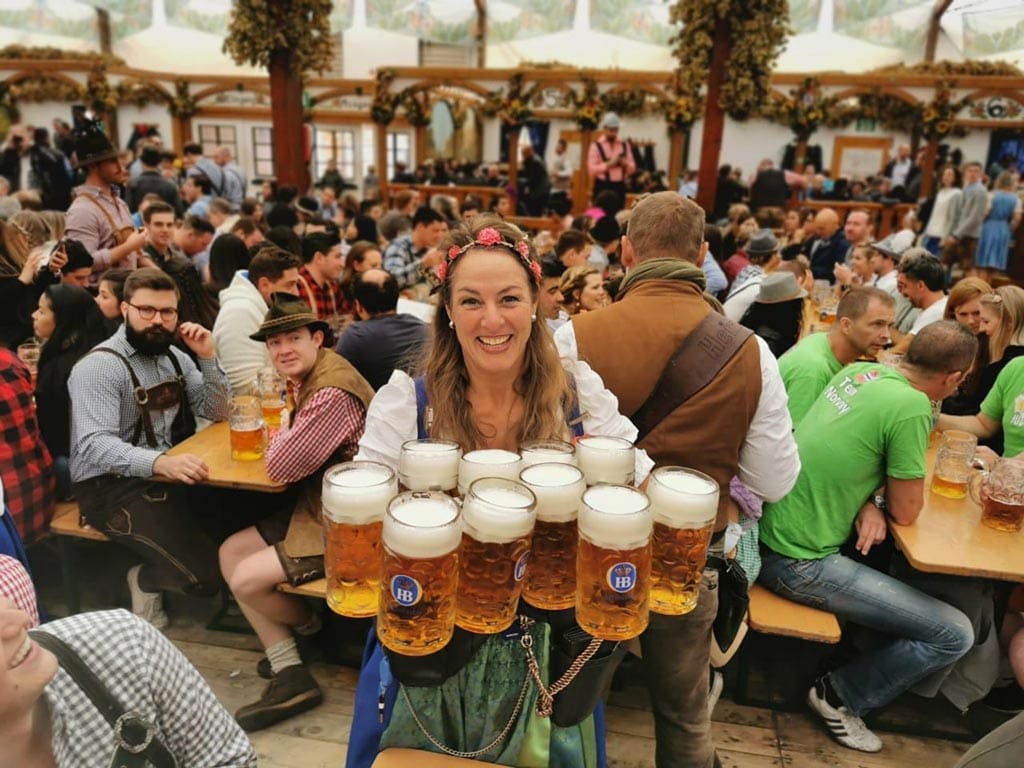
🎉 What Is Oktoberfest?
Imagine standing in a sea of laughter, the scent of roasted nuts and grilled sausages in the air, brass bands playing songs you can’t quite pronounce, and strangers from five continents clinking one-liter beer steins like old friends. That’s Oktoberfest — part carnival, part cultural ritual, part organized chaos — and somehow, it all works perfectly.
The original Oktoberfest began in Munich in 1810, when Crown Prince Ludwig married Princess Therese of Saxony-Hildburghausen. The citizens of Munich were invited to join the wedding festivities on the fields outside the city gates (later named Theresienwiese — “Therese’s Meadow”). The horse races, beer, and music were such a hit that the city decided to repeat the celebration every year. Two centuries later, it has evolved into the world’s largest folk festival, drawing more than six million visitors annually.
🗓️ When Does Oktoberfest Happen?
Here’s a fun twist: Oktoberfest actually starts in September, not October. The reason? The weather. September’s milder evenings in Bavaria make beer-garden life far more pleasant.
- Typical Dates: Late September to the first Sunday in October.
- 2025 Dates: September 20 – October 5, 2025.
If you’re planning to attend the original in Munich, book your accommodations at least 6–9 months in advance. Hotels near the Theresienwiese metro station (U4/U5 line) sell out fast.
🍺 The Beer: Liquid History
Every beer served at the Munich Oktoberfest must be brewed within Munich’s city limits and adhere to the Reinheitsgebot, Germany’s famous 1516 Beer Purity Law (which limits ingredients to water, barley, hops, and yeast). Only six breweries qualify:
- Augustiner
- Hacker-Pschorr
- Hofbräu
- Löwenbräu
- Paulaner
- Spaten
They all create special Märzen-style lagers — smoother, slightly stronger (6–6.5% ABV), and crafted specifically for Oktoberfest. Each tent serves its brewery’s version exclusively, giving every hall its own personality and flavor.
🥨 The Food: Comfort on a Plate
If you think Oktoberfest is just about beer, wait until you smell the kitchens. Expect:
- Würstl (sausages) grilled over open flames
- Hendl (roast chicken) with crispy skin and salt crust
- Schweinshaxe (pork knuckle) slow-roasted to perfection
- Käsespätzle (cheese noodles) for the vegetarians
- And of course, pretzels the size of your head
Most locals eat early — around 11 a.m. to 1 p.m. — before the tents get packed.
🎡 Beyond the Beer Tents
Oktoberfest isn’t just drinking; it’s a full-scale fairground. There are roller coasters, Ferris wheels, traditional shooting games, and family zones. The Costume and Riflemen’s Parade (on the first Sunday) features 8,000 participants in historic dress — a moving museum of Bavarian culture.
🌍 Oktoberfest Goes Global
Of course, not everyone can fly to Munich. Thankfully, Oktoberfest’s spirit has gone worldwide. From Canada’s Kitchener-Waterloo to Brazil’s Blumenau, from Tokyo to Cincinnati, hundreds of festivals now recreate the magic with their own regional flavor — blending Bavarian traditions with local culture, music, and food.
Whether you’re chasing authentic German beer or just looking for a good excuse to dance in public with strangers, Oktoberfest delivers. So grab your dirndl or lederhosen (or just your best smile), raise your stein, and shout along with millions:
The 10 Best Oktoberfest Celebrations Around the World (2025 Edition)
If you’ve never stood shoulder to shoulder with strangers, singing songs you barely know while holding a beer the size of your head, you’ve never truly lived Oktoberfest. What started as a royal wedding celebration in Munich back in 1810 has grown into a worldwide phenomenon — part cultural ritual, part carnival, part delicious chaos.
But here’s the thing: you don’t have to fly to Germany to experience the magic. Across the globe, cities big and small have built their own Oktoberfest traditions — each one blending Bavarian spirit with local flavor. Whether you’re chasing beer, music, or just good energy, these are the top 10 Oktoberfest festivals worth traveling for in 2025.
🇨🇦 1. Kitchener-Waterloo Oktoberfest (Ontario, Canada)
Dates: October 10–18, 2025
Official Site: oktoberfest.ca
Nearest Airports: Region of Waterloo International (YKF) / Toronto Pearson (YYZ)
This twin-city celebration is North America’s largest Oktoberfest, attracting more than 700,000 visitors each year. The event honors the area’s deep German heritage with 17 festival halls, traditional bands, and a massive Thanksgiving parade.
The Concordia Club and Schwaben Club are must-visits — authentic music, homemade schnitzel, and Bavarian hospitality that feels 100% real.
Pro Tip: Go early in the evening to grab a long table and make new friends
✈️ Travel tip: If you’re flying in from abroad, land in Toronto and take the 90-minute GO bus to Waterloo for easy access.
🇺🇸 2. Oktoberfest Zinzinnati (Cincinnati, Ohio, USA)
Dates: September 19–21, 2025
Official Site: oktoberfestzinzinnati.com
Nearest Airport: Cincinnati/Northern Kentucky International (CVG)
Cincinnati’s streets explode with energy as half a million people gather for America’s biggest Oktoberfest. Expect bratwurst stands, local breweries, and the legendary Running of the Wieners dachshund race.
You’ll find a perfect blend of authenticity and fun — locals in lederhosen dancing alongside first-timers holding pretzels the size of dinner plates.
Pro Tip: The best beer gardens are around Fountain Square. Stay near downtown to avoid traffic, and wear comfortable shoes — this festival sprawls for blocks.
🛡️ Don’t forget your travel insurance! Unexpected flight delays or lost luggage can ruin the fun. Get covered before you go → Compare Top Travel Insurance Plans
🇧🇷 3. Oktoberfest Blumenau (Santa Catarina, Brazil)
Dates: October 8–26, 2025
Official Site: oktoberfestblumenau.com.br
Nearest Airport: Navegantes (NVT)
Deep in southern Brazil lies Blumenau, a city that looks more like Bavaria than South America. Founded by German immigrants, it now hosts the world’s second-largest Oktoberfest, with nearly 600,000 visitors across 18 beer-soaked days.
The Vila Germânica Park is a permanent Bavarian village with cobblestone streets, folk parades, and constant live music. You’ll hear brass bands, samba beats, and laughter blending into one unforgettable rhythm.
Pro Tip: Go midweek to avoid crowds, and try local chopp beer paired with cuca cake or roasted pork knuckle.
🇦🇺 4. Oktoberfest Brisbane (Queensland, Australia)
Dates: October 3–19, 2025 (Fridays–Sundays)
Official Site: oktoberfestbrisbane.com.au
Nearest Airport: Brisbane (BNE)
Australia’s largest German celebration delivers authenticity with a sunny twist. Held at the Brisbane Showgrounds, this two-weekend event features a giant beer tent, imported bands, and traditional dishes that rival Munich’s finest.
The crowd’s energy builds by evening — thousands standing on benches, toasting strangers, and shouting “Ein Prosit!” until midnight.
Pro Tip: The Bavarian VIP tables sell out fast, but they include massive sharing platters and quick beer refills — worth every dollar.
🇭🇰 5. Oktoberfest Hong Kong (Central Harbourfront)
Dates: October 17 – November 2, 2025
Official Site: paulaneroktoberfest.com.hk
Nearest Airport: Hong Kong International (HKG)
Related Read: Hong Kong Layover Guide →
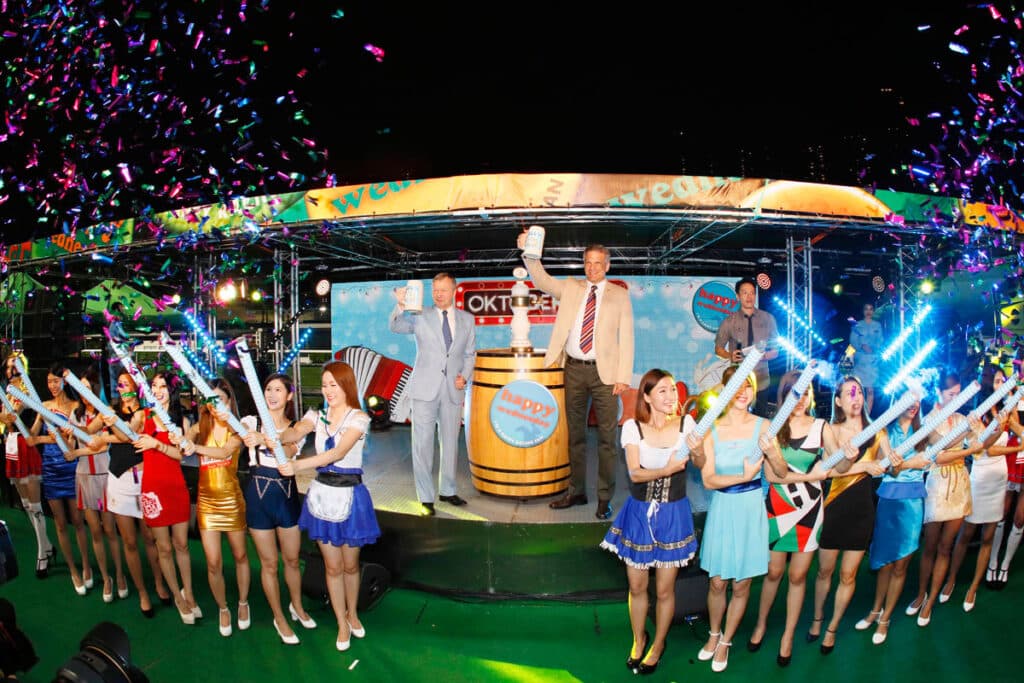
Few festivals can compete with this view — giant white beer tents glowing under Hong Kong’s skyline, right beside Victoria Harbour.
The event is famously well-organized (naturally, it’s Hong Kong). Expect authentic German beers, gourmet Bavarian buffets, and oompah bands flown in from Munich.
Pro Tip: Book your table early — evening sessions often sell out weeks in advance. Afterward, walk along the Harbourfront Promenade to see the skyline light show.
🧳 Bonus tip: If your flight has a long layover in Hong Kong, you can still catch the action. Check our Hong Kong Layover Guide for the best airport transfers, lounges, and city tours.
🛡️ Travel Smart: Asia’s typhoon season sometimes overlaps with Oktoberfest. Protect your trip with flexible coverage → Find Reliable Travel Insurance
🇬🇧 6. Oktoberfest London (United Kingdom)
Dates: September 26 – October 12, 2025
Official Site: london-oktoberfest.co.uk
Nearest Airports: Heathrow (LHR) / Gatwick (LGW)
Related Read: Heathrow Layover Guide →
London’s Oktoberfest combines British pub culture with Bavarian energy. The Battersea Power Station venue sets the mood — that industrial London skyline meets rows of long wooden tables, steins clinking in rhythm.
Local craft breweries join classic German imports, creating a mix of flavors that’s uniquely London. Once the music starts, British reserve disappears fast.
Pro Tip: Thursday nights are more relaxed — go then if you prefer smaller crowds and easier seating.
🧭 If you’ve got a Heathrow layover, check out the Heathrow Layover Guide — you can experience London’s Oktoberfest in just a few hours with smart transport planning.
🇿🇦 7. Oktoberfest Johannesburg (South Africa)
Dates: September 26–28 & October 3–5, 2025
Official Site: germanclubjhb.co.za
Nearest Airport: O.R. Tambo International (JNB)
Johannesburg’s German Club transforms into a cozy Bavarian village filled with food, laughter, and community. Unlike huge commercial festivals, this one feels intimate and authentic.
You’ll find South African and German traditions blending beautifully — boerewors meets bratwurst, local bands alternate with German folk music, and everyone toasts together.
Pro Tip: Don’t miss the stein-holding competition — locals take it seriously, and the crowd energy is unbeatable.
🇯🇵 8. Oktoberfest Tokyo (Japan)
Dates: Multiple editions from May to October (Yoyogi Park, Hibiya Park, and Odaiba)
Official Site: okt-fest.jp
Nearest Airports: Narita (NRT) / Haneda (HND)
Related Read: Tokyo Layover Guide →
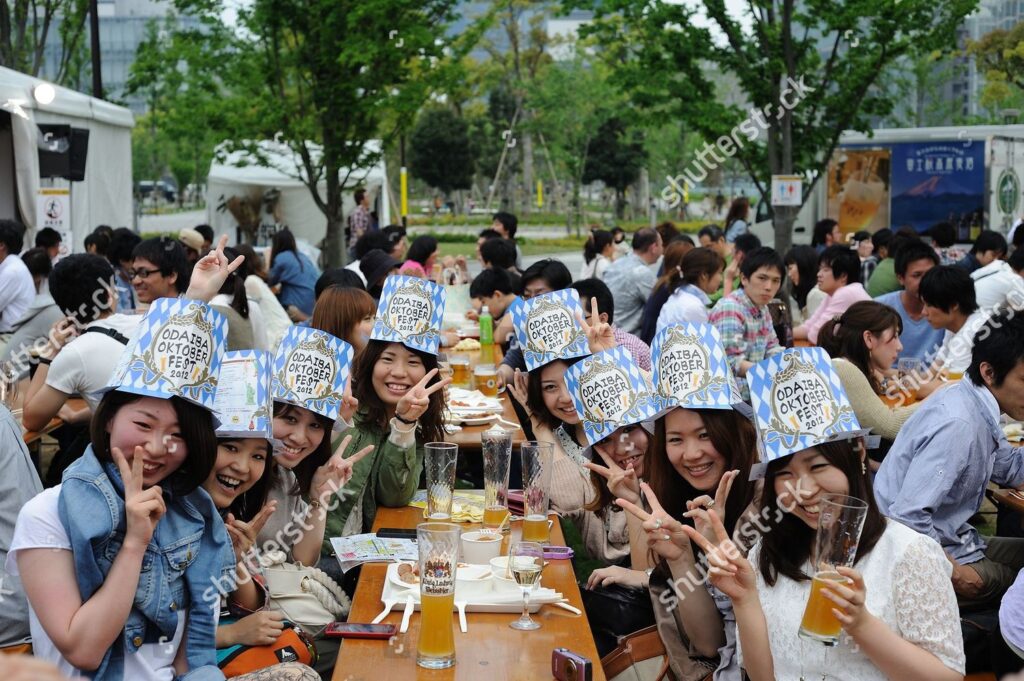
Tokyo’s Oktoberfest might be the cleanest, most perfectly run festival you’ll ever attend. Every detail — from beer foam height to food presentation.
The Yoyogi Park edition (autumn) and Hibiya Park edition (spring) bring crowds of locals, expats, and tourists. Try the currywurst and Japanese-German fusion dishes — a delicious cultural experiment.
Pro Tip: Attend on weekday evenings for shorter lines. Tokyoites are polite but reserved — a cheerful “Prost!” goes a long way.
✈️ Layover in Japan? Use our Tokyo Layover Guide to find quick airport transfers, capsule hotels, and lounge access.
🇦🇷 9. Oktoberfest Villa General Belgrano (Córdoba, Argentina)
Dates: October 3–13, 2025
Official Site: fiestanacionaldelacerveza.com
Nearest Airport: Córdoba International (COR)
Hidden in Argentina’s Córdoba hills, this alpine-style town throws one of the most authentic Oktoberfests in Latin America. Folk parades, traditional dances, and family-run breweries fill the streets with joy.
The local twist? Argentine beef grilled with German spices, and beers infused with local honey and mountain herbs. It’s culture and flavor at their best.
Pro Tip: Stay overnight, local inns fill quickly, but the starry-sky concerts are worth it.
🇵🇭 10. Oktoberfest Manila (Philippines)
Dates: September 27 – October 26, 2025
Official Site: germanclub.ph
Nearest Airport: Ninoy Aquino International (MNL)
Manila’s Oktoberfest, hosted by the German Club and Solaire Resort, is Southeast Asia’s premier Bavarian event. Inside The Tent, cold beer meets tropical hospitality — it’s festive, air-conditioned, and full of good cheer.
Authentic German chefs prepare pork knuckles and pretzels while Munich bands perform nightly. Filipinos join in every song and dance, bringing infectious joy to the experience.
Pro Tip: Reserve a table early, especially for Friday and Saturday nights. The crowd is lively but warm — you’ll never drink alone here.
🌏 Travel Smart: Protect your trip with affordable coverage — medical, lost luggage, and delays included → Compare the Best Travel Insurance for 2025
Quick Reference Guide to Global Oktoberfest Celebrations
| Location | Duration | Attendance | Nearest Major Airport | Best For |
|---|---|---|---|---|
| Kitchener-Waterloo | 9 days | 700,000+ | YYZ/YKF | Authentic North American experience |
| Cincinnati | 3 days | 500,000+ | CVG | Urban street festival atmosphere |
| Blumenau | 18 days | 600,000+ | NVT | Second-largest celebration globally |
| Brisbane | Multiple weekends | 50,000+ | BNE | Southern Hemisphere spring celebration |
| Hong Kong | Several weeks | 100,000+ | HKG | Cosmopolitan Asian experience |
| London | Multiple weekends | 200,000+ | LHR/LGW | British-German cultural blend |
| Johannesburg | Multiple weekends | 30,000+ | JNB | Community-focused celebration |
| Tokyo | Multiple weeks | 800,000+ | NRT/HND | Meticulous organization and quality |
| La Paz | 10 days | 50,000+ | EZE | Intimate, traditional atmosphere |
| Manila | 4 weeks | 40,000+ | MNL | Extended tropical celebration |
Essential Oktoberfest Experiences (No Matter the Location)
Every authentic Oktoberfest should offer these core experiences, regardless of where in the world you attend.
Traditional Music and Dancing: Oompah bands create the soundtrack with brass instruments and accordions producing that unmistakable Bavarian sound. Learn the chicken dance even if you feel silly (you will, everyone does). Join the polka even if you have two left feet. When Ein Prosit plays every 15 minutes, stand up, raise your stein, and toast with everyone around you. Those moments create the connections that make Oktoberfest special.
Authentic Bavarian Attire: Wearing lederhosen or a dirndl isn’t required, but it significantly enhances the experience. Many festivals offer rentals or sales if you don’t want to invest in an outfit you’ll wear once a year. Dressing the part helps you feel more connected to the tradition and honestly makes for better photos.
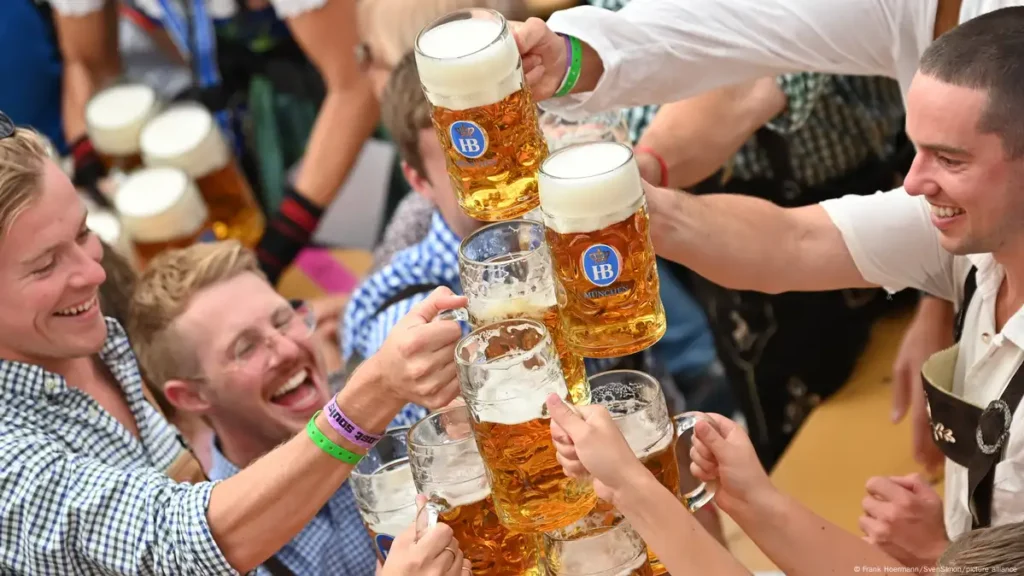
Beer Hall Culture: Oktoberfest beer comes in märzen or festbier styles, typically amber-colored with malty sweetness and moderate alcohol content around six percent. The beer arrives in one-liter steins that feel heavy after your first sip. Sharing long communal tables with strangers is part of the experience. Toast your tablemates, introduce yourself, and embrace the social atmosphere. I’ve made some of my best travel friends at Oktoberfest tables.
Traditional Food: The food matters as much as the beer. Giant soft pretzels (brezeln) pair perfectly with mustard. Various sausages, particularly bratwurst and weisswurst, should be mandatory. Roasted chicken (hendl) is messier than you expect but worth it. Pork knuckle (schweinshaxe) arrives looking like something from a medieval feast. Potato pancakes (kartoffelpuffer), sauerkraut, and for dessert, apple strudel or black forest cake round out the essential menu.
Stein Holding Competitions: This endurance test challenges you to hold a full liter stein straight out from your body for as long as possible. The world record exceeds 20 minutes, which seems impossible once you actually try it. Most people struggle past five minutes. Your arm will shake, your shoulder will burn, and you’ll swear you can’t hold on another second. But the crowd’s encouragement pushes you further than you thought possible.
Planning Your Oktoberfest Adventure
After attending multiple Oktoberfest celebrations across different continents, I’ve learned some lessons the hard way so you don’t have to.
Book Early: Hotels near festival sites disappear months ahead of time. For major celebrations like Kitchener-Waterloo, Cincinnati, or Blumenau, start looking at accommodations three to six months in advance minimum. Prices also increase closer to the event, so early booking saves money beyond just availability.
Transportation: Most festivals run shuttle services from nearby airports and hotels. Research public transportation options before you go, because parking near festival sites ranges from difficult to impossible. Many celebrations actively encourage using rideshare services or designated driver programs. Plan your route home before your first beer, trust me on this.
Timing: Arriving early, ideally before noon, means shorter lines, better seat selection, and a more relaxed atmosphere. Families dominate the early hours, and everything feels more manageable. Evenings bring larger crowds and more intense celebrations. The energy ramps up significantly after 8 PM when the serious partiers arrive. Both experiences have merit depending on what you’re seeking.
Budget: Beyond admission fees, factor in beer at typically ten to fifteen dollars per liter, food running fifteen to thirty dollars per person, souvenirs, and transportation. Many festivals offer multi-day passes or packages that provide better value than single-day admission. Bring more cash than you think you’ll need. Cards work at some vendors, but cash remains king at most festivals.
What to Bring: Comfortable shoes matter more than you realize. You’ll be standing and dancing for hours, and cute but painful shoes will ruin your experience. Bring cash, as many vendors still operate cash-only. A light jacket helps for outdoor festivals since weather can change quickly. Don’t forget your camera, though be careful with phones once the beer starts flowing. I’ve witnessed more than one smartphone take a beer bath.
Conclusion
Oktoberfest’s global reach proves something beautiful about human nature. We all want reasons to gather, celebrate, and connect with others. While Munich’s original festival remains the ultimate experience, these ten international celebrations capture that same spirit of community and joy that makes Oktoberfest special.
From Canada’s enthusiastic embrace of German culture to Brazil’s passionate fusion of traditions, from Asia’s meticulous attention to detail to Australia’s spirited celebrations, Oktoberfest truly belongs to everyone. Each festival brings regional flavor while maintaining those core elements that define the experience: exceptional beer, delicious food, live music, and most importantly, people from different backgrounds coming together to celebrate life.
These global celebrations don’t replace Munich’s Oktoberfest. They extend its reach, allowing millions more people to experience Bavarian hospitality and tradition without crossing an ocean. Whether you’re planning a dedicated Oktoberfest trip or you find yourself with a layover in one of these cities during festival season, experiencing this tradition offers memories and insights you’ll carry forever.
So raise your stein, toast to new friends, and embrace the Oktoberfest spirit wherever you discover it. The location matters less than the people you share it with. Prost!
Frequently Asked Questions
When is the best time to attend Oktoberfest celebrations outside Germany?
Most international Oktoberfest celebrations happen between September and October, matching Munich’s traditional timing. Southern Hemisphere festivals like Brisbane and Blumenau typically celebrate during their spring season from September through November. Check specific festival dates every year since they can shift. Weekend attendance offers the most energetic atmosphere with larger crowds and more entertainment, while weekday visits provide a more relaxed experience with shorter lines and easier seating. If you want the full experience, go on a weekend. If you prefer something calmer where you can actually have conversations, weekdays work better.
Do I need to wear traditional Bavarian clothing to Oktoberfest?
Traditional attire isn’t mandatory, but wearing lederhosen or a dirndl significantly enhances your experience and shows respect for the culture. Many festivals offer costume rentals if you don’t want to buy something you’ll wear once. Roughly 60 to 70 percent of attendees at authentic celebrations wear traditional clothing, so you’ll fit in better dressed appropriately. Beyond that, it helps you connect with other festival-goers and makes the whole experience feel more immersive. I’ve attended in regular clothes and in traditional dress, and the difference in how people interact with you is noticeable.
Are Oktoberfest celebrations family-friendly?
Yes, most Oktoberfest celebrations welcome families, especially during daytime hours. Many festivals include carnival rides, games, and designated family areas with activities for kids. The atmosphere shifts as evening arrives and alcohol consumption increases. Some venues restrict children after certain hours, typically around 8 or 9 PM. Festivals like Kitchener-Waterloo and Blumenau offer particularly robust family programming with dedicated kids’ zones and activities. If you’re bringing children, plan to arrive early and leave before the evening crowd takes over.
What type of beer is served at Oktoberfest?
Authentic Oktoberfest beer comes in märzen or festbier styles, which are copper to amber-colored lagers with a malty, slightly sweet flavor and moderate alcohol content typically between 5.5 and 6.5 percent ABV. At Munich’s original festival, only beer brewed within Munich city limits can be served, limiting it to six specific breweries. International celebrations typically feature German imports alongside local craft breweries creating Oktoberfest-style beers. Expect to pay between ten and fifteen dollars per liter, served in traditional glass steins that are heavier than they look. The beer tastes smoother and more drinkable than the alcohol content suggests, which can sneak up on you if you’re not careful.
How much does it cost to attend an Oktoberfest celebration?
Costs vary significantly depending on location and venue type. Many street festivals like Cincinnati’s Oktoberfest Zinzinnati offer free entry, while tent-based celebrations charge admission ranging from ten to fifty dollars depending on the venue and day of the week. Budget fifty to one hundred dollars per person for a full day including admission, food, beer, and maybe a souvenir. Premium seating, reserved tables, and VIP packages cost more but guarantee you a spot and sometimes include meal vouchers or drink tickets. Some festivals offer advance purchase discounts on tickets and beer tokens, so buying early can save money.
Can I attend Oktoberfest if I don’t drink beer?
Absolutely, and you’ll still have a great time. While beer is central to Oktoberfest, the celebration encompasses much more than drinking. The food alone justifies attendance, with authentic German cuisine you won’t find easily anywhere else. Most festivals offer extensive non-alcoholic beverage options including soda, water, and sometimes wine or cocktails. The live music, dancing, cultural performances, carnival rides, and communal atmosphere provide entertainment regardless of whether you drink. I’ve met plenty of people who attend primarily for the food and cultural experience rather than alcohol. Nobody will pressure you to drink, and participating in the singing and dancing matters more than what’s in your glass.
