
5 Smart Luggage Storage Tips to Travel Light & Stress-Free
Traveling should be about exploration and enjoyment, not the burden of heavy bags. Whether you’re navigating a long layover, enjoying a stopover, or embarking on an extended journey, knowing your luggage storage options can transform your travel experience. This comprehensive guide explores various solutions, from innovative apps to clever packing strategies, ensuring you can travel light and live more.
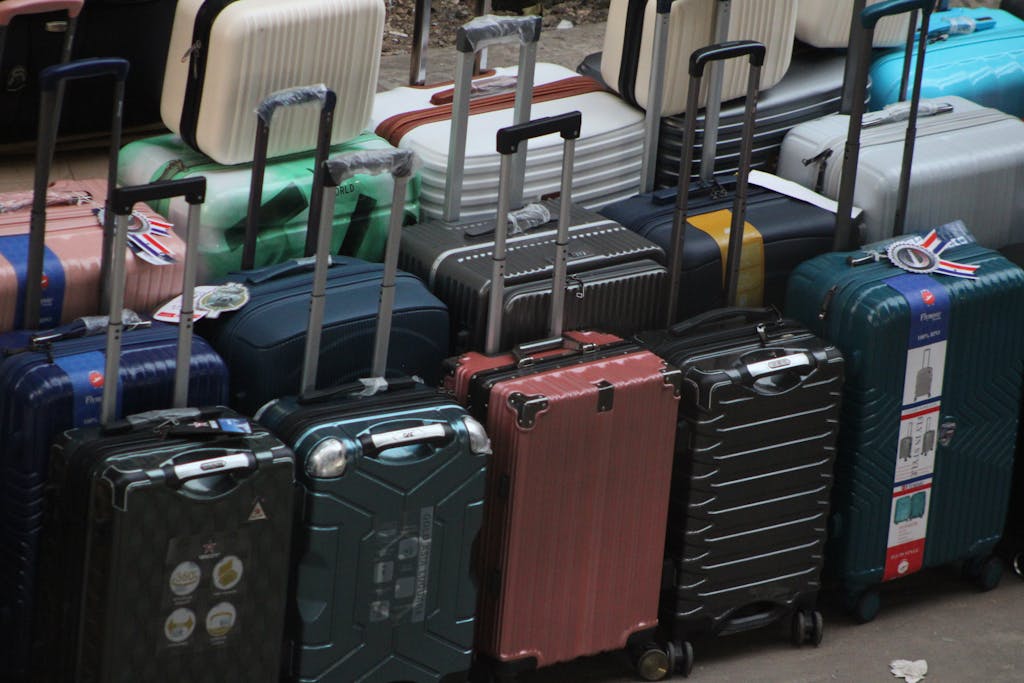
The Modern Solution: Luggage Storage Apps and Services
Imagine landing in a vibrant city like Rome at 8 AM, only to find your Airbnb check-in isn’t until 4 PM. Instead of dragging your suitcase through cobbled streets, modern luggage storage apps offer a seamless solution. These platforms partner with local businesses, such as hotels, cafes, and shops, to provide convenient, secure temporary storage. Here’s a look at some of the leading players:
| App | Best For | Key Features |
|---|---|---|
| Bounce | Widest global network, reliability | Over 32,000 locations in 4,000+ cities, $10,000 protection, 24/7 support, and a user-friendly app for quick bookings [1]. |
| Stasher | UK/Europe, hotel-quality partners | Vetted hotels and shops, comprehensive insurance, flexible booking, and a strong presence in major European hubs like London and Paris [2]. |
| LuggageHero | Short layovers, hourly pricing | Ideal for quick city explorations, offering hourly rates ($1.49) plus a one-time handling fee ($2.49) per bag, $2,500 insurance, and over 2,000 locations [3]. |
| Radical Storage | Budget travelers, no size limits | Known for flat daily rates and no restrictions on luggage size or weight, utilizing an extensive network of “Angels” (local partners) across 800 cities [4]. |
| Nannybag | Europe, large network, peer-to-peer | Offers a unique 50/50 revenue split with partners, a flat rate (€6 per day per bag), and includes insurance, making it popular in European cities like Paris and Barcelona [5]. |
| Vertoe | US-based, short-term storage | Provides secure locations, includes insurance, and offers flexible booking options, with a strong footprint in major US cities such as New York and San Francisco [6]. |
Free and Low-Cost Luggage Storage Options: Beyond the Apps
While dedicated services offer unparalleled convenience, several free or low-cost alternatives can be explored, especially for shorter duration’s or specific situations. Consider these options when you’re looking to save a few dollars:
- Hotel Courtesy: Many hotels will gladly store your luggage before check-in or after check-out, even if you’re not a registered guest. A polite request and a small tip can often secure this service, especially if you have an existing reservation or plan to dine at their restaurant. This is a common practice in many parts of the world, offering a reliable, albeit informal, solution.
- Museums and Galleries: Some cultural institutions provide cloakrooms or locker facilities, often free or for a nominal fee. These are typically designed for small bags and coats, so check their policies regarding larger luggage before planning your visit.
- Shopping Malls: In some high-end shopping districts, particularly in Asia and the Middle East, concierge services might offer complimentary short-term luggage storage. These are usually for shoppers, but a friendly inquiry can sometimes yield positive results.
- Train Station Lockers: While typically a paid service, some smaller or regional train stations might have older, coin-operated lockers that are very inexpensive. Always prioritize security and ensure the lockers are well-maintained and located in a safe area.
- Friend and Family Networks: If you have contacts in your destination city, leveraging personal connections can be a free and reliable option. Platforms like Couchsurfing might also connect you with locals willing to help, offering a more personal touch to your travel experience.
Smart Packing: The First Step to Lighter Travel
Reducing the amount of luggage you carry is the most effective way to minimize storage needs. Adopting smart packing strategies can make a significant difference, transforming your travel from a logistical challenge to a liberating experience.
- One-Bag Travel: Embrace the philosophy of traveling with a single carry-on-sized bag (typically 35-45 liters). This eliminates checked bag fees, reduces the risk of lost luggage, and negates the need for storage during layovers. It forces you to be intentional about every item you bring.
- Capsule Wardrobe: Plan your outfits around a limited number of versatile items that can be mixed and matched. A common guideline is the 5-4-3-2-1 rule: 5 sets of socks/underwear, 4 tops, 3 bottoms, 2 pairs of shoes, and 1 hat/accessory [8]. This strategy ensures you have enough variety without over packing.
- Packing Cubes: These organizational tools are a game-changer for efficient packing. Compression packing cubes are ideal for bulky items like sweaters or jackets, allowing you to fit more into less space. Regular cubes are excellent for general organization, keeping different categories of clothing separate and tidy. Brands like Peak Design, Eagle Creek, and Osprey offer high-quality options known for durability, while Gonex and Veken provide budget-friendly alternatives that still perform well [9].
- Rolling vs. Folding: Rolling clothes tightly can save space and reduce wrinkles more effectively than traditional folding methods. Experiment with both to see what works best for your wardrobe and luggage type.
Essential Tools and Products for Seamless Travel
Beyond storage services and packing techniques, several products can enhance your travel experience and simplify luggage management, offering peace of mind and practical solutions.
- Luggage Trackers & Locators: Never lose sight of your bags again. Devices like Apple AirTag (for iOS users) and Tile Pro (for Android users) offer reliable tracking, letting you monitor your luggage’s location in real time. For a budget-friendly alternative that integrates with Apple’s Find My network, consider the Eufy SmartTrack [10]. These small devices can be a lifesaver, especially when dealing with connecting flights or busy airports.
- Portable Luggage Scales: Avoid unexpected overweight baggage fees at the airport by checking your luggage weight before you leave. Brands like Etekcity and Dr. Meter offer compact and accurate scales that are easy to pack and use, ensuring you stay within airline limits.
- Travel Backpacks: Investing in a well-designed travel backpack can facilitate one-bag travel and make navigating airports and city streets much easier. Popular choices include the Osprey Farpoint/Fairview, known for its comfort and capacity; the Peak Design Travel Backpack, lauded for its modularity; and Nomatic, which offers highly organized designs.
- Packing Apps: Digital tools can help you organize your packing lists and ensure you don’t forget essentials. PackPoint intelligently generates lists based on your destination, trip duration, and planned activities, even considering the weather. Tripsy helps manage itineraries, store travel documents, and keep track of bookings
Luggage Safety Best Practices
Regardless of where or how you store your luggage, prioritizing safety is paramount. For more in-depth information on keeping yourself and your belongings safe while traveling, please visit our dedicated Travel Safety Page.
- Use TSA-Approved Locks: While not foolproof, these locks can deter opportunistic theft and allow security personnel to inspect your bag without damaging the lock.
- Document Your Belongings: Before storing, take photos or videos of your luggage and its contents. Note down the serial numbers of electronics. This can be invaluable for insurance claims if anything goes missing.
- Choose Reputable Services: Stick to well-reviewed and established luggage storage apps and services. Check for insurance coverage and read user reviews.
- Keep Valuables with You: Always keep essential documents, money, electronics, and irreplaceable items in a small personal bag that stays with you.
- Be Discreet: Avoid openly displaying expensive items or large sums of cash when dropping off or picking up your luggage.
Lost luggage calculator
Lost Luggage Recovery Tool
Use the tool below to find contact details and generate a formal claim letter.
Claim Letter Generator
CRITICAL STEP
Do not leave the airport without a PIR (Property Irregularity Report) number from the baggage desk. This is required for all official claims.
Immediate Actions
- File a PIR report at the airline’s baggage desk before leaving.
- Take a photo of your baggage tags and the PIR form.
- Keep all receipts for essential items purchased while waiting.
What to Do When Luggage Goes Missing: A Step-by-Step Guide
Even with the best precautions, lost luggage can happen. Here’s a quick guide on how to react and who to contact:
- Act immediately at the Airport: If your bag doesn’t appear on the carousel, do not leave the airport. Head straight to your airline’s baggage service desk. Provide them with your baggage tags and flight information.
- File a Property Irregularity Report (PIR): This is crucial. Ensure you get a copy of this report, as it’s your official record of the lost bag. It will contain a reference number you’ll need for tracking and claims.
- Request Interim Expenses: Ask the airline about their policy for interim expenses. Many airlines will provide a daily allowance for essential items, such as toiletries and a change of clothes, while your bag is missing.
- Track Your Bag: Use the reference number from your PIR to track your bag online via the airline’s website or a global baggage tracing system like WorldTracer.
- Contact Your Airline: Keep a record of all communications. Here are general contact points for major airlines (please refer to their official websites for the most up-to-date numbers):
- American Airlines: 1-800-433-7300
- Delta Air Lines: 1-800-221-1212
- United Airlines: 1-800-864-8331
- Southwest Airlines: 1-800-435-9792
- International Airlines: Check their specific country-based contact numbers online.
- Consider Travel Insurance: If your bag is declared permanently lost, your travel insurance may offer additional compensation beyond what the airline provides. (See the next section for more details.
Protecting Your Belongings: Travel Insurance Options
Travel insurance can be a valuable safety net, offering peace of mind against various travel mishaps, including lost, delayed, or damaged luggage. While airlines have their own liability limits, travel insurance can often provide more comprehensive coverage.
- Baggage Loss/Theft Coverage: This benefit reimburses you for the depreciated value of your belongings if your luggage is permanently lost or stolen. Policies often have per-item limits and a total maximum payout.
- Baggage Delay Coverage: If your luggage is delayed for a specified period (e.g., 6-12 hours), this coverage can reimburse you for essential purchases like toiletries and clothing made during the delay.
- Document Replacement: Some policies cover the costs associated with replacing lost passports, visas, or other critical travel documents.
Key Considerations When Choosing Travel Insurance:
- Coverage Limits: Understand the maximum payout for lost baggage and individual items. High-value items might require additional, specific coverage.
- Deductibles: Be aware of any deductibles that apply before your insurance coverage kicks in.
- Exclusions: Read the fine print for exclusions, such as certain types of items (e.g., jewelry, electronics) or situations (e.g., leaving bags unattended).
- Filing a Claim: Know the process for filing a claim, including required documentation (PIR, purchase receipts, police reports for theft).
For personalized travel insurance recommendations, you can explore providers like Allianz Travel Insurance, Travel Guard, and World Nomads. Always compare policies to find one that best suits your travel needs and budget.
With a growing array of innovative services, smart packing strategies, helpful tools, and robust safety nets like travel insurance, managing your luggage while traveling has never been easier. By exploring these alternatives, you can free yourself from the burden of heavy bags, allowing you to fully immerse yourself in the joy of discovery, whether it’s during a brief layover, a leisurely stopover, or an epic long-term adventure.
Frequently Asked Questions (FAQ)
Q: How much does luggage storage typically cost?
A: The cost varies significantly by service and location. Hourly services like LuggageHero might charge around $1.49 per hour plus a handling fee, while daily services like Radical Storage often charge a flat daily rate. Prices can range from $5 to $15 per bag per day, depending on the city and provider. Always check the specific pricing on the app or website before booking.
Q: Is my luggage insured when I use these storage services?
A: Most reputable luggage storage services, such as Bounce, Stasher, LuggageHero, Radical Storage, Nannybag, and Vertoe, include insurance coverage as part of their service. The coverage amount can vary, typically between $500 and $10,000 per bag. Always review the terms and conditions of the specific service for details on their insurance policy and any exclusions.
Q: Can I store oversized or unusually shaped luggage?
A: Policies on oversized luggage vary by service. Radical Storage is known for having no size or weight limits, making it a good option for larger items. Other services might have restrictions or charge extra for oversized bags. It’s always best to check with the specific provider beforehand, especially if you have items like skis, musical instruments, or large backpacks.
Q: How far in advance should I book luggage storage?
A: For popular tourist destinations or during peak travel seasons, booking in advance is highly recommended, especially if you have specific time slots or locations in mind. Many apps allow for same-day bookings, but availability can be limited. Booking ahead ensures you secure a spot and can often save you time upon arrival.
Q: What if my travel plans change and I need to cancel my booking?
A: Most luggage storage apps offer flexible cancellation policies. Many allow free cancellation up to the time of drop-off. However, it’s crucial to check the individual cancellation policy of the service you use, as some may have different terms or require a minimum notice period.
Q: Are there any items I cannot store?
A: Yes, all luggage storage services have restrictions on prohibited items. Generally, this includes illegal substances, weapons, hazardous materials, live animals, and perishable goods. Some services may also prohibit the storage of highly valuable items or sensitive documents. Always consult the service provider’s terms and conditions for a complete list of prohibited items.
Q: How secure are these luggage storage locations?
A: Reputable services partner with vetted local businesses that provide secure storage areas. CCTV monitors many locations, and bags are often sealed with unique security tags upon drop-off. Additionally, the included insurance coverage provides an extra layer of security. However, it’s always advisable to keep highly valuable items and essential documents with you.
Q: Can I access my luggage during the storage period?
A: This depends on the service and the specific location. Some partners may allow access during their operating hours, while others might not. If you anticipate needing access to your belongings, it’s best to confirm this with the storage provider or choose a service that explicitly offers in-and-out access.
