
Amsterdam Layover So Good Travelers Secretly Plan Flights Just to Experience It
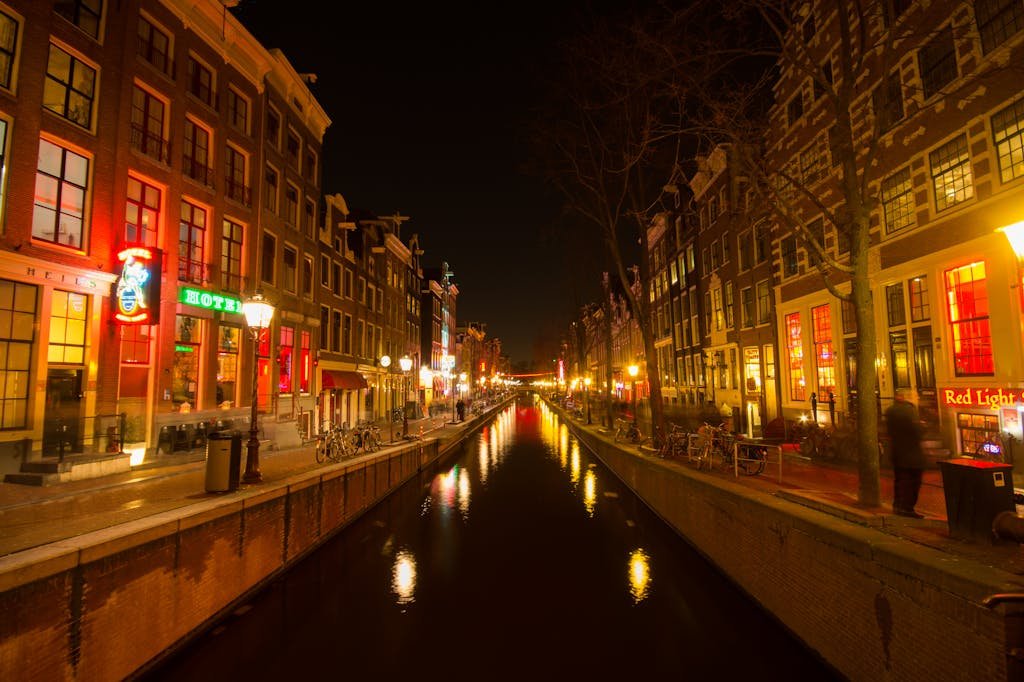
A layover in Amsterdam is one of the most straightforward city escapes in international travel. Schiphol Airport sits just 17 kilometres from Amsterdam’s city centre, and a direct train delivers you to Amsterdam Centraal station in 15 to 20 minutes. The historic canal ring — a UNESCO World Heritage site — begins within walking distance of the station. Most of the city’s landmark museums cluster in a compact district reachable by tram in under 10 minutes. For a layover destination, Amsterdam is almost without peer in how efficiently it converts transit time into a genuine experience.
The honest caveat: Amsterdam’s main museums sell out. The Van Gogh Museum has no walk-up sales — all entry is timed-ticket, booked online in advance, and tickets release only six weeks ahead. The Rijksmuseum requires advance online booking and fills during peak season. The Anne Frank House books out months in advance. If you plan to visit any of these on a layover in Amsterdam, you must buy tickets before your flight. Arriving without them means standing outside the most visited buildings in the Netherlands reading the sold-out sign. This guide tells you what requires advance booking, what does not, and how to build a layover itinerary around both.
Amsterdam Schiphol is also Europe’s fourth busiest airport and one of the most significant connecting hubs in the world — dominated by KLM Royal Dutch Airlines, which uses Schiphol as its primary base for a global network spanning over 160 destinations. Understanding the airline landscape at AMS helps you know what kind of connection you are dealing with and what to expect from the airport itself.
⚡ Quick Answers — Layover in Amsterdam
At least 5 hours — ideally 6 to 7. The train to Amsterdam Centraal takes 15–20 minutes. You need 45–60 minutes back at Schiphol before a Schengen (European) departure and 75–90 minutes before a non-Schengen international flight. Factor in 30–45 minutes for immigration on arrival if you are coming from outside Schengen.
If you stay airside, most nationalities need no visa. To leave Schiphol and enter Amsterdam, you need to meet the Netherlands’ entry requirements. Citizens of EU and Schengen countries enter freely. US, UK, Canadian, Australian, and many other nationalities can enter visa-free for up to 90 days. Others need a Schengen visa applied for in advance.
Yes — but only if you booked tickets in advance via GetYourGuide. The Van Gogh Museum has no walk-up entry, all tickets are timed-entry booked online only, and they regularly sell out weeks ahead. Book at vangoghmuseum.nl before your flight. Without a ticket, you cannot enter regardless of queue time.
Walk the Jordaan neighbourhood. The canal streets, gabled houses, houseboats, and the Negen Straatjes (Nine Streets) shopping district are all free, compact, and genuinely beautiful. It takes 60–90 minutes and is the most authentically Amsterdam experience available without a ticket or timetable.
Airlines Flying Through Amsterdam Schiphol
Amsterdam Schiphol is one of Europe’s most important hub airports, serving as the primary connecting point for KLM’s global network and attracting dozens of major international carriers. Understanding who flies through AMS — and how frequently — helps you know what to expect from your connection and what onward options look like.
KLM is the reason Amsterdam Schiphol became what it is. The airline uses AMS as its single global hub — almost every KLM flight either originates or connects through Schiphol, feeding long-haul intercontinental routes with traffic collected from across Europe by KLM Cityhopper, its regional subsidiary. This hub-and-spoke model means that at any given time, a large proportion of passengers in Schiphol’s terminals are KLM transit passengers, which shapes the airport’s design, its service emphasis, and its transfer infrastructure.
Founded in 1919 and the oldest airline in continuous operation under its original name, KLM is a subsidiary of the Air France–KLM group and a member of the SkyTeam alliance. Its loyalty programme, Flying Blue, is shared with Air France, making miles and status interchangeable across both carriers. For a layover traveller, the most relevant KLM details are: its KLM Crown Lounges at Schiphol (two locations — Schengen and non-Schengen, both excellent and one of the better lounge networks in Europe), its extensive US network (15 American destinations with multiple daily frequencies on the top routes), and its consistently solid on-time performance from Schiphol.
Other Major Carriers at Schiphol
Schiphol’s status as a European hub means it attracts a wide range of major international airlines beyond KLM. The following carriers operate significant services through AMS and are frequently encountered by transit passengers:
Visa and Entry for a Layover in Amsterdam
Amsterdam Schiphol sits within the Schengen Area — the passport-free travel zone covering most of continental Europe. This has direct consequences for how transit works at AMS and who can leave the airport during a layover in Amsterdam.
Staying Airside
If your flights are both non-Schengen international flights (arriving from outside Europe and departing to a destination outside Europe), you can remain in the transit zone without passing through Dutch immigration. No visa is required for airside transit for most nationalities, provided your connection is valid and on a single itinerary. Check the Schiphol airport transfer page for specific nationalities that may require a transit visa even for airside stays.
Leaving Schiphol for Amsterdam
To exit the airport, you must pass through Dutch/Schengen border control. EU and Schengen country citizens enter freely. US, UK, Canadian, Australian, New Zealand, Japanese, South Korean, and many other nationalities can enter the Netherlands visa-free for up to 90 days in any 180-day period. Many other nationalities need a Schengen short-stay visa applied for in advance — iVisa handles Schengen visa applications and can guide you on documentation requirements — processing takes weeks and cannot be arranged at the airport. If your country requires a Schengen visa, you need it before you fly.
If you are arriving on a Schengen flight (from within Europe) and departing on a non-Schengen international flight, you will need to pass through passport control and security again. This process adds 20–45 minutes to your return airport buffer. Factor this in carefully when planning your Amsterdam layover itinerary — the standard 45-minute Schengen buffer is not enough in this situation.
Getting from Schiphol to Amsterdam City Centre
Schiphol’s transport connection to Amsterdam is one of the best airport-to-city links in Europe. The train station is directly inside the airport — follow the yellow NS (Dutch Railways) signs from arrivals — and trains run frequently to Amsterdam Centraal throughout the day and night. International travellers: a Wise or Revolut card eliminates foreign transaction fees on every transit payment.
| Option | Time to Centre | Cost (2026) | Notes |
|---|---|---|---|
| NS Intercity Train Best Overall | 15–20 min to Amsterdam Centraal | €5.50 one-way / €11 day return | Up to 10 trains per hour. Runs 06:00–00:30, plus hourly overnight service. Buy at yellow NS machines in the arrival hall or online in advance via the NS app. E-tickets let you walk straight to the platform — no scanning queue at Schiphol. |
| Amsterdam Travel Ticket City-Wide | 15–20 min train + unlimited tram/metro | €20 for 24 hours | Includes the return train journey plus unlimited GVB trams, buses, and metro in Amsterdam. Better value if you plan to use trams to reach the museum district or the Jordaan. |
| Taxi / Rideshare | 25–40 min (traffic) | €40–€60 | Predictable off-peak but susceptible to Amsterdam city traffic. Not worth it for most layover visits — the train is faster and cheaper. |
| Bus 397 (Airport Express) Budget | ~30 min to Leidseplein / city | €5–€6 | Stops near Museumplein and the Van Gogh Museum — useful if you are heading straight to the museum district without passing through Centraal. Runs regularly but slower than the train. |
Buy an e-ticket online via the NS app before your flight. When you arrive at Schiphol, walk straight to the train platform and scan your phone — no queuing at the ticket machines. At Amsterdam Centraal, scan again to exit. The return train back to Schiphol runs from platforms 10, 13, 14, or 15 — check the overhead boards as trains to Schiphol vary in whether Schiphol is the final destination or an intermediate stop. Heading to Brussels, Paris, or London after Amsterdam? Omio compares Thalys, Eurostar, and Intercity Direct trains from Amsterdam Centraal.
Stay Connected During Your Amsterdam Layover
What to Do on a Layover in Amsterdam
Amsterdam’s historic centre is compact — roughly 3 square miles — and most of what matters for a layover in Amsterdam is walkable from Amsterdam Centraal or one short tram ride away. The key rule: anything requiring a ticket needs to be booked before your flight. Everything else is available on arrival.
The Jordaan and the Canals — No Ticket Required
The single best way to spend a short layover in Amsterdam without any advance planning is to walk the Jordaan. Exit Amsterdam Centraal heading south and cross the first bridge onto Prinsengracht — from here, walk south along the canal. The Jordaan district opens to the west: narrow streets lined with independent shops, brown cafes (traditional Dutch pubs with wooden interiors and warm lighting), and canal houses with the characteristic stepped gable rooflines that define Amsterdam’s visual identity. The Negen Straatjes (Nine Streets) cross the main canals between Raadhuisstraat and Runstraat — nine short streets connecting the ring canals, lined with independent boutiques, bookshops, and small cafes. Allow 60–90 minutes for the Jordaan walk. It costs nothing and gives you a more genuinely local experience than any queued museum attraction.
Reguliersgracht — Seven Bridges View
Stand on the bridge at the intersection of Reguliersgracht and Herengracht and look south along Reguliersgracht. Seven consecutive bridges are visible from this exact spot, each one framing the next, with canal houses on both sides and bicycles leaning against every railing. Shoot in the early morning before 8 a.m. for empty bridges, or at blue hour for reflections on the water. This is Amsterdam’s most reproduced canal photograph — and it earns it.
“Seven bridges, one canal, zero tourists at 7 a.m.” — #EpicLayover #AmsterdamLayover #Jordaan
Van Gogh Museum — Book Weeks in Advance
The Van Gogh Museum holds the world’s largest collection of Van Gogh works — 200 paintings and 500 drawings, including Sunflowers, The Bedroom, Almond Blossom, and the self-portraits that trace his mental deterioration across a decade of extraordinary output. The museum is intimate by world art standards, and the curation is exceptional — the permanent collection is arranged chronologically, tracing Van Gogh’s life through the paintings themselves, making the experience more biographical than a typical gallery visit. Allow 90 minutes minimum; 2 hours is better.
Critical booking rule: tickets release every Tuesday at 10 a.m. Amsterdam time for the following six weeks. They sell out rapidly — particularly for Friday to Sunday slots and any date near Dutch public holidays. There is no walk-up entry under any circumstances. Book at vangoghmuseum.nl the moment you know your travel dates. If tickets are sold out, try the Moco Museum (five minutes’ walk away) which exhibits Banksy alongside modern art and has easier availability.
Rijksmuseum — The Netherlands’ Masterwork Collection
The Rijksmuseum is the Netherlands’ largest museum and the definitive collection of Dutch Golden Age art — Rembrandt’s The Night Watch (valued at over €500 million and displayed in its own gallery), Vermeer’s The Milkmaid, and hundreds of works by Hals, Steen, and other 17th-century masters alongside decorative arts, weapons, and historical artefacts. Adult admission is €25 (2026 pricing), and advance timed-entry booking is required via the museum’s own website. The Night Watch gallery is best before 10:30 a.m. when crowds are thinnest. Allow 90 minutes minimum for highlights; the museum is enormous and rewards slower visits on longer layovers. Located at Museumplein, adjacent to the Van Gogh Museum — but do not attempt both on the same day if your visit is under 4 hours in the city.
Dam Square and the Royal Palace
Dam Square is a 10-minute walk from Amsterdam Centraal along the Damrak — the city’s central public space, anchored by the Royal Palace (Koninklijk Paleis), which was originally built as the City Hall in the 17th century and is one of the largest civic buildings of the Dutch Golden Age. The square itself is free; the Royal Palace charges a small admission when open to visitors. Dam Square is useful for short layovers as a focal point from which the canal ring, the shopping streets, and the Jordaan are all within walking distance. Do not confuse it with a destination that requires much time — 20–30 minutes in the square and you have seen it. The value is in what surrounds it.
Museumplein — Van Gogh Museum Forecourt, Early Morning
The oval reflecting pool in front of the Van Gogh Museum is best before the building opens, when the water is still and the sky reflects cleanly. The I Amsterdam letters (relocated to other locations, but often recreated nearby) used to stand here — check what installation is present when you visit. Overcast mornings make the colours of the building facade more vivid than direct sunlight. Wide angle, low to the water.
“Arrived before the crowd. Worth every minute of the alarm.” — #EpicLayover #VanGoghMuseum #AmsterdamLayover
Canal Cruise — The Best Way to Understand the City
A canal cruise gives you Amsterdam’s layout from the water — the canal ring’s concentric structure, the merchant houses built on wooden piles driven into the peat, the houseboats, the bridges (Amsterdam has more than 1,500), and the relationship between the historic centre and its waterways that no street-level walk fully conveys. Most departures are from near Amsterdam Centraal, Damrak, or Rembrandtplein. Cruises run 60–75 minutes. Pre-book for a specific departure time — the popular morning and afternoon slots fill during spring and summer. The tour through the Herengracht and Keizersgracht canals is the classic route.
Amsterdam Layover Itineraries by Time Window
All timing assumes arrival from a non-Schengen international flight — add 30–45 minutes for immigration processing. From Schengen arrivals, subtract that buffer. All plans include a 75-minute return buffer for non-Schengen international departures.
5–6 Hours: Canal Walk and the Jordaan
Non-Schengen arrivals: 30–45 min for immigration. Schengen arrivals: 10 min. Buy NS e-ticket via app or at yellow machines in the arrival hall. Walk to the train platform — it is directly below the arrivals hall, no transfers needed.
Exit at Amsterdam Centraal and walk out the south exit toward the canal. Stop at the luggage lockers in the station (€7–€10 for a small locker) if you have bags. Takes 5–10 minutes to sort.
Cross the first canal and head into the Jordaan. The Negen Straatjes run west across the Herengracht, Keizersgracht, and Prinsengracht. Browse independent shops, stop for coffee in a brown cafe, walk the canal bridges. 60–90 minutes of unhurried walking through one of the finest urban neighbourhoods in Europe.
Walk east to Dam Square — 15 minutes from the Jordaan. Try a warm stroopwafel from a street vendor, a herring from one of the fish stalls on the Damrak, or sit down for bitterballen and Dutch beer at a canal-side cafe. Budget 45 minutes for lunch.
Collect stored bags and walk back to Centraal. Train is 15–20 minutes. At Schiphol, allow 75 minutes for check-in and security for non-Schengen international departures. Set a phone alarm at +3:45 and leave when it goes off.
7–9 Hours: Van Gogh Museum and the Canals
Same as above. Store bags at Centraal lockers (€7–€10) or use Bounce near Museumplein. Buy Amsterdam Travel Ticket (€20) for train plus unlimited tram access.
Tram 2, 11, or 12 from Centraal to Museumplein — about 15 minutes. Van Gogh Museum opens at 9 a.m. Arrive at your pre-booked time slot. Allow 2 hours for the permanent collection — the chronological narrative from the early Dutch works through Arles, Saint-Rémy, and Auvers-sur-Oise is genuinely moving in person.
Walk north from Museumplein through the Spiegelkwartier (antique shops) and into the Jordaan. Stop at the seven-bridges viewpoint on Reguliersgracht and Herengracht. Walk along the Prinsengracht toward Anne Frank House (exterior — tickets months in advance for inside).
Pre-booked departure time near Centraal or Damrak. The cruise completes the Amsterdam picture — seeing the city from the water after walking through it on foot gives you the full layout. Collect bags from Centraal lockers after the cruise.
Allow 75 minutes airport buffer. Train is 15–20 minutes. Check which platform before you go down — trains heading to Schiphol run from platforms 10, 13, 14, or 15.
10+ Hours: Add the Rijksmuseum and a Longer Canal Walk
First entry slot. The Night Watch gallery before 10:30 a.m. is the clearest you will see it. Allow 90 minutes for the highlights. Do not try to combine with the Van Gogh Museum on the same day — both deserve proper time and the combination leads to museum fatigue.
Vondelpark is adjacent to Museumplein — Amsterdam’s main urban park, free, and at its best in spring and summer with picnicking locals, open-air theatre, and the Vondelpark Openluchttheater. Grab lunch at the Blauwe Theehuis in the centre of the park. Walk south to the De Pijp neighbourhood for the Albert Cuyp Market (open daily except Sunday) and some of the best street food in the city.
Walk north into the Jordaan from De Pijp — 20 minutes. The afternoon light on the canals in Amsterdam is exceptional in spring and autumn. Book an afternoon canal cruise departure time from near Centraal. The route through the Herengracht and Keizersgracht in afternoon light is the Amsterdam photograph most people carry home.
Allow 75 minutes minimum airport buffer for international departures. If it is a busy departure evening, add 15 minutes. Schiphol’s security queues build during peak departure banks.
If You Stay at Schiphol — The Airport That Tries to Be a City
Schiphol is genuinely one of the world’s best airports for a layover that stays airside. A small branch of the Rijksmuseum — the Rijksmuseum Amsterdam Schiphol — displays rotating works by Dutch masters including Van Gogh, Rembrandt, and Vermeer inside security on Holland Boulevard, free to browse. The airport also has a NEMO Science Museum exhibit with interactive science installations (airside, free), an airport library, a casino, and a meditation centre. For rest, YotelAir offers day-use rooms by the 4-hour block (from €55) airside, and GoSleep pods are available in Lounge 2 and the D-Pier (from €36/hour). The KLM Crown Lounge (both Schengen and non-Schengen versions) is among the finest in Europe for eligible travellers — live cooking, sleep cabins, showers, and a genuinely good wine list.
I had six hours in Amsterdam in October, arriving on a morning flight from New York, continuing to Singapore that evening. The immigration queue took twenty-five minutes and the train fifteen more. I walked out of Amsterdam Centraal into rain — proper Dutch rain, horizontal and cold, the kind that makes every bicycle look like an act of faith — and turned south along the Prinsengracht. I found the seven-bridge view on Reguliersgracht, took a photograph that I knew would not capture it, and stood there for a while anyway. The houseboats were lit from inside. A cyclist in a yellow raincoat crossed the bridge and did not look up. I bought a stroopwafel from a cart, warm and soft in the way the packaged ones never are, and ate it walking. Six hours in Amsterdam is exactly enough to know you need to come back properly.
Gear for an Amsterdam Layover
Your NS app ticket, your tram route, your Google Maps through the Jordaan canal streets. Amsterdam is highly walkable but easy to get turned around in — your phone navigation is essential. Keep it charged through a day of walking and tram rides.
View on Amazon →Schiphol and Amsterdam Centraal both have free Wi-Fi, but coverage drops once you are walking the Jordaan canal streets. A hotspot keeps navigation and messaging reliable throughout your layover walk.
View on Amazon →Schiphol’s airport Wi-Fi is free and extensively used — public, open networks in a hub airport are a pickpocket’s equivalent of an easy target for credential theft. Use a VPN if you are working or accessing banking during your layover.
Get NordVPN →Amsterdam’s cobblestones and canal bridges reward a light bag. What to carry, what to store in Centraal lockers, and how the three-bag layover system works.
Read the Guide →Travel Insurance for an Amsterdam Layover
Schiphol has had high-profile staffing and operational issues in recent years — the airport has at times implemented passenger caps and baggage restrictions that caused significant disruption. If your flights are on separate tickets, missed connection cover is worth having. KLM connections within a single booking are generally well-managed, but mix a KLM long-haul with a separate budget carrier booking and you carry the risk of delay independently.
More From EpicLayover
Layover Time Calculator
Enter Schiphol and your layover duration. Get a specific recommendation for what fits your window. Non-EU visitors: Visitors Coverage offers short-stay European medical policies with same-day activation.
Use the Calculator → · Or skip the transit — Welcome Pickups quotes a fixed price.European eSIM Guide
Every eSIM option for Europe compared by price, data, and reliability across the continent.
Compare Plans →Layover Packing Essentials
What to carry into Amsterdam and what to store at Centraal — the three-bag system for layover travel.
Read the Guide →Frequently Asked Questions — Layover in Amsterdam
At least 5 hours, ideally 6 to 7. The train to Amsterdam Centraal takes 15–20 minutes. Immigration for non-Schengen arrivals adds 30–45 minutes. You need 75 minutes back at Schiphol before a non-Schengen international departure, 45 minutes before a Schengen European flight. A 5-hour layover in Amsterdam gives you roughly 2–2.5 hours in the city. A 7-hour layover gives you a comfortable 3.5–4 hours.
No. The Van Gogh Museum has no walk-up entry under any circumstances. All tickets are timed-entry, sold exclusively online via vangoghmuseum.nl. Tickets release every Tuesday at 10 a.m. Amsterdam time for the following six weeks and sell out rapidly — especially on weekends and around Dutch public holidays. If you arrive without a ticket, you cannot enter regardless of how long you wait. Book immediately when you know your travel dates.
Yes — one of the best in the world for it. The combination of a 15-minute train to the city centre, a compact historic district that is almost entirely walkable, free and genuinely excellent street-level experiences (the canals and Jordaan), and world-class museums for those who book in advance makes Amsterdam unusually efficient as a layover destination. The main limitation is the advance booking requirement for top museums — without prior planning, your options for ticketed attractions are limited.
The NS Intercity train from Schiphol’s underground station, directly beneath the arrivals hall. It takes 15–20 minutes to Amsterdam Centraal, runs up to 10 times per hour, and costs €5.50 one-way or €11 for a day return. Buy an e-ticket via the NS app before you land and walk straight to the platform. The Amsterdam Travel Ticket (€20) adds unlimited tram and metro access if you plan to use the GVB network in the city.
KLM is the natural choice — Schiphol is its primary hub and it deliberately schedules connections that allow enough time for the airport experience. KLM’s minimum connection time from long-haul to European short-haul is 50 minutes, which is tight but reflects the airport’s efficient layout. If you want a deliberate long layover in Amsterdam to explore the city, look for KLM or Delta flights (they operate a transatlantic joint venture) with 6–12 hour windows built in, as both carriers offer these regularly on US–Amsterdam–Europe itineraries.
Both. Schiphol has left-luggage lockers in the arrivals hall — sizes range from small (€6) to large (€12), charged per 24 hours. Amsterdam Centraal station has luggage lockers immediately past the exit — similarly priced at €7–€10 depending on size. For the city, Bounce has locations near the museum district and Jordaan. Store bags before heading out — walking Amsterdam’s cobblestone canal streets with a carry-on is uncomfortable and unnecessary.
Four things worth trying on any layover in Amsterdam: a stroopwafel — two thin waffles with caramel syrup between them, warm from a street vendor rather than packaged; haring (raw herring) — eaten by holding the tail and dipping it in raw onions, available from fish stalls along the Damrak; bitterballen — fried meat ragout balls served with mustard, the definitive Dutch bar snack; and patatje oorlog (war fries) — fries with mayonnaise, peanut sauce, and raw onion, available from most snack bars. Vleminckx on the Voetboogstraat serves what many locals consider the best fries in the city.
Yes. The Aspire Lounge in Lounge 1 (Schengen side) accepts day passes at the door (around €40) and Priority Pass / LoungeKey / Diners Club members. The Plaza Premium Lounge is accessible via day pass and Priority Pass. The KLM Crown Lounge is restricted to KLM business class, Flying Blue Gold/Platinum, and SkyTeam Elite Plus members — it is not available via day pass. For rest without lounge access, YotelAir (airside, Lounge 2) offers 4-hour room blocks from €55.
