
Flying to Cuba in 2025? These 5 Layovers Beat Direct Flights Every Time
* Please refer to the updated Travel Guide to Havana for 2026
Traveling to Cuba as an American can seem complicated, but it doesn’t have to be. With a clever layover, you can reach Havana in no time. One traveler recently discovered that flying through Cancún, buying a visa at the gate, and sipping Cuban coffee in Havana was possible within 24 hours.

This smart travel hack is used by thousands of travelers each year. Using layovers in international hubs can simplify logistics and save on costs. In this article, we’ll explore the best ways to reach Cuba from the US using indirect flights, ensuring a smooth and enjoyable journey.
Key Takeaways
- Use layovers in international hubs to bypass direct flights.
- Consider flying through Cancún or other major airports.
- Research visa requirements and purchase at the gate if needed.
- Plan your trip according to your flexibility and travel schedule.
- Look for cost-effective options that simplify your travel logistics.
Why Indirect Flights to Cuba Make Sense
With restricted direct flights from the US to Cuba, travelers turn to indirect flights as a viable alternative. Currently, there are limitations on direct US-Cuba flights, making layovers an attractive option for those looking to travel to the island.
Current Restrictions on US-Cuba Direct Flights
The US government has imposed certain restrictions on direct flights to Cuba, limiting the number of flights and the routes available. This has led to a surge in indirect flights, with travelers opting for layovers in various cities. Travelers need to be aware of these restrictions when planning their trip.
Benefits of Using Layover Routes
Layover routes offer several benefits, including flexibility and cost savings. Travelers can often find more affordable options and flexible travel dates by choosing an indirect flight. Also, layovers can allow exploring another city or country, breaking up the journey to Cuba. For example, a layover in Cancún or Mexico City can be a great way to experience Mexican culture before arriving in Cuba.
Who This Strategy Works Best For
This strategy works best for travelers with flexible travel dates and destinations within Cuba. Travelers who are not in a hurry and are looking for a more affordable option can benefit from indirect flights. Those open to exploring other destinations during their layover can also use this strategy. By being flexible, travelers can find great deals on indirect flights to Cuba.
Understanding the Legal Aspects of US-Cuba Travel
The legal aspects of traveling to Cuba from the US are multifaceted. US travelers must comply with travel regulations to Cuba, including falling under one of the authorized categories.

Current US Travel Policies for Cuba
Current US policies allow travel to Cuba under specific categories, such as family visits, educational activities, or people-to-people travel. Travelers must ensure they meet the requirements for their chosen category.
READ: US EMBASSY IN CUBA REGULATIONS
Legal Categories for Travel to Cuba
US travelers to Cuba can fall under various authorized categories, including:
- Family visits
- Educational activities
- People-to-people travel
- Professional research
- Journalistic activities
Documentation Requirements
US citizens typically need a valid passport, a Cuban Tourist Card, and sometimes a travel affidavit to travel to Cuba. The Cuban Tourist Card is usually purchased at the layover airport.
Travel Affidavit Considerations
A travel affidavit may be required in certain circumstances. Travelers should understand the requirements for this document and ensure they have the necessary information to complete it accurately.
In summary, understanding the legal aspects of US-Cuba travel is crucial for a smooth journey. By complying with US regulations and meeting the necessary documentation requirements, travelers can enjoy their trip to Cuba while avoiding potential issues.
How to Fly to Cuba from the US Without a Direct Flight
US travelers can reach Cuba by booking two separate flights, with a layover in between, offering a viable alternative to direct flights. This approach makes traveling to Cuba possible and provides an opportunity to explore additional destinations or manage layovers in interesting hubs.
The Two-Flight Strategy Explained
The two-flight strategy involves booking one flight from the US to a layover hub and another from the hub to Cuba. This method requires planning, including choosing the right layover hub, understanding the immigration and customs procedures, and ensuring the layover duration is sufficient.
Layover Duration: Ideally, allow 4–6 hours for layovers to complete immigration and customs procedures smoothly. This timeframe can vary depending on the hub and the traveler’s nationality.
Booking Considerations
When booking flights, consider the layover duration, airline policies on baggage handling, and the overall travel time. Researching the layover hub’s airport facilities and services is crucial to ensure a comfortable wait.
Immigration and Customs Process
Understanding the immigration and customs process at the layover hub is crucial. Travelers should be prepared to present required documents, answer questions confidently, and comply with regulations.
What Not to Say at Immigration
When interacting with immigration officials, truthfulness and avoiding providing unnecessary information are essential. Refrain from making statements that could be misinterpreted or lead to further questioning. Being prepared and knowing what to say can significantly impact your travel experience.
Top Layover Hubs for Cuba-Bound Travelers
For travelers from the United States, flying to Cuba often involves a layover, and several cities serve as convenient hubs. These layover hubs offer a range of benefits, including more flight options and potentially lower costs.
Cuba-bound travelers’ most popular layover hubs include cities in Mexico, Central America, Canada, South America, and Europe. Each hub has its advantages and can be chosen based on factors such as departure city, travel time, and personal preference.
Cancún (CUN): The Most Popular Option
Cancún is a top choice for travelers flying to Cuba due to its proximity to the island and the frequency of flights to Cuban destinations. Many airlines direct or connect flights from Cancún to cities like Havana, Varadero, and Holguín.
Mexico City (MEX): Another Mexican Alternative
Mexico City is another major hub for travelers heading to Cuba. Many airlines operate from this airport, and travelers can find convenient connections to various Cuban cities.
Panama City (PTY): Central American Connection
Panama City serves as a significant layover hub for travelers from the US, offering connections to Cuba through Central America. This route can be particularly convenient for those traveling from the southern United States.
Toronto (YYZ): The Canadian Route
Toronto can be a convenient layover hub for travelers from the northern US. Several airlines operate flights from Toronto to Cuban destinations, making it a viable option for those who prefer a more northern route.
Bogotá (BOG): South American Gateway
Bogotá offers a unique alternative for travelers heading to Cuba, providing a connection through South America. This route appeals to those looking for a more exotic layover experience.
Madrid (MAD): European Connection Option
Madrid is a significant hub for international travel and can serve as a layover point for travelers flying to Cuba. While this route may involve longer travel times, it can be a good option for those who prefer European airlines or have European connections.
| Layover Hub | Region | Advantages |
|---|---|---|
| Cancún (CUN) | Mexico/Caribbean | Proximity to Cuba, frequent flights |
| Mexico City (MEX) | Mexico/Central America | Wide range of airlines, convenient connections |
| Panama City (PTY) | Central America | Convenient for southern US travelers |
| Toronto (YYZ) | Canada/North America | Convenient for northern US travelers |
| Bogotá (BOG) | South America | Unique layover experience, exotic destinations |
| Madrid (MAD) | Europe | International connections, European airlines |

Popular Cuban Destinations and Their Access Points
Cuba offers a diverse range of attractions that can be accessed through indirect flights from the US. Travelers can explore the island’s vibrant culture, rich history, and beautiful landscapes by visiting its popular destinations.
Havana: The Capital City
Havana, the capital city of Cuba, is a must-visit destination for any traveler. Known for its vibrant culture, historical landmarks, and lively atmosphere, Havana is accessible through indirect flights to José Martí International Airport (HAV). Visitors can explore the city’s historic center, visit famous landmarks like El Capitolio, and enjoy the local cuisine.
Varadero: Beach Paradise
Varadero is a popular beach destination in Cuba, known for its pristine beaches and crystal-clear waters. Travelers can access Varadero through indirect flights to Juan Gualberto Gómez Airport (VRA). The area offers a range of accommodation options, from luxury resorts to more budget-friendly choices, making it an ideal destination for travelers seeking a relaxing getaway.
Santa Clara: Historical Center
Santa Clara is a city in central Cuba rich in history and cultural significance. Visitors can access Santa Clara through indirect flights to Abel Santamaría Airport (SNU). The city is home to numerous historical landmarks, including Santa Clara University and the Plaza del Carmen, making it an ideal destination for history buffs.
Holguín: Eastern Cuba’s Hub
Holguín is a city in eastern Cuba that is a hub for exploring the region’s natural beauty and cultural heritage. Travelers can access Holguín through indirect flights to Frank País Airport (HOG). The city is known for its picturesque landscapes, historic sites, and vibrant culture, making it an attractive destination for travelers seeking an authentic Cuban experience.
| Destination | Airport Code | Access Points |
|---|---|---|
| Havana | HAV | Indirect flights from US cities |
| Varadero | VRA | Indirect flights from US cities |
| Santa Clara | SNU | Indirect flights from US cities |
| Holguín | HOG | Indirect flights from US cities |

Step-by-Step Guide to Booking Your Flights
Travelers from the US can easily book flights to Cuba with a layover by following a simple step-by-step guide. This process involves several key steps that ensure a smooth journey.
Finding the Best First-Leg Flight
The first step in booking your flights is to find the best first-leg flight to your chosen hub. Popular layover hubs include Cancún, Mexico City, and Panama City. When searching for your first-leg flight, consider factors such as flight duration, layover time, and overall cost.
Compare prices across airlines and online travel agencies to find the best option. You can also consider flying into a central hub and then taking a connecting flight to Cuba.
Selecting Your Cuba-Bound Flight
Once you arrive at your layover hub, select a suitable Cuba-bound flight. Look for flights that depart from your hub and arrive at one of Cuba’s international airports, such as José Martí International Airport (HAV) in Havana.
When selecting your Cuba-bound flight, consider the airline’s reputation, duration, and additional fees for services such as checked baggage or in-flight meals.
Timing Your Layover Correctly
Timing is crucial when booking flights with layovers. Allow 4-6 hours between flights to account for immigration and customs procedures and potential delays.
A more extended layover also gives you time to explore the hub city, relax, and prepare for your next flight.
Recommended Booking Platforms
Consider using online travel agencies such as Expedia, Kayak, or Skyscanner to simplify booking. These platforms allow you to compare prices across different airlines and book your flights in one place.
Additionally, some airlines offer booking platforms and customer support, which can help manage your travel arrangements.
| Booking Platform | Features | Customer Support |
|---|---|---|
| Expedia | Price comparison, package deals | 24/7 phone and email support |
| Kayak | Price forecasting, travel guides | Email and phone support |
| Skyscanner | Price comparison, flexible search | Email support |
Cuban Tourist Card (Visa) Process
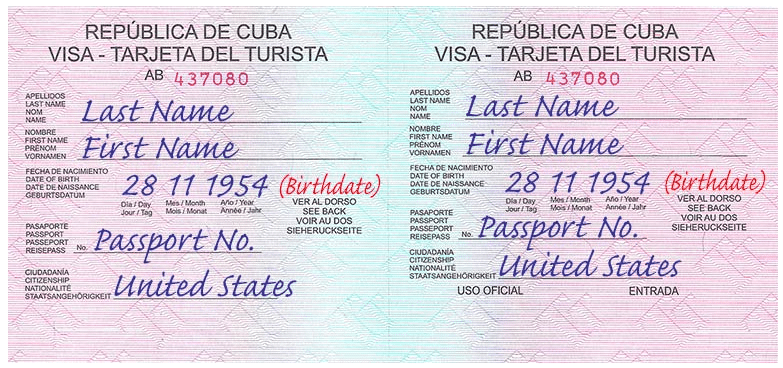
A Cuban Tourist Card is a necessary document for most travelers visiting Cuba. When flying to Cuba from the US via alternative routes, understanding the Cuban Tourist Card process is crucial for a smooth journey.
Where to Purchase Your Tourist Card
Most travelers must purchase a Cuban Tourist Card at the layover airport. This can be done at the airline counter or a designated visa processing area. Some airlines also offer the option to buy the card online in advance or during the flight.
Costs and Processing Times
The cost of a Cuban Tourist Card varies depending on the airline and the processing method. Typically, the cost ranges from $50 to $110. Processing times are usually quick, taking only a few minutes at the airport.
Common Mistakes to Avoid
One common mistake is not having the correct documentation. Ensure you have a valid passport and any required supporting documents. Another mistake is not checking with your airline for specific requirements.
Color Differences: Green vs. Pink Cards
Some countries issue different-colored tourist cards, such as green or pink. However, Cuba typically uses the standard card. It’s essential to verify the card’s validity and ensure it meets the requirements for entry into Cuba.
| Card Type | Cost | Processing Time |
|---|---|---|
| Cuban Tourist Card | $50-$110 | A few minutes |
Travel & Health Insurance: A Non-Negotiable Requirement for Cuba (2025)
If you plan to visit Cuba in 2025, there’s one document you cannot skip: valid travel and medical insurance. This isn’t just recommended — it’s a mandatory entry requirement enforced by Cuban immigration since 2010.
Whether you’re flying direct or entering via a third-country layover (like Cancún, Panama City, or Toronto), Cuban authorities may ask you to show proof of insurance coverage before boarding or upon arrival.
What Does Cuba-Approved Insurance Need to Cover?
- Medical treatment (minimum coverage usually starts around $50,000)
- Emergency evacuation & repatriation
- COVID-related treatment
- Trip delays, cancellations, and baggage loss (recommended but optional)
- Issued by recognized international providers
🚫 Note for Americans: Due to embargo restrictions, most U.S. health insurance plans are not valid in Cuba. Without proper coverage, you could be forced to purchase Cuban-issued insurance at the airport, which may be more expensive and limited in scope.
Need Help Choosing the Right Policy?
👉 Head over to our full breakdown:
🔗 Travel Insurance Cuba 2025: What You Need & Where to Get It »
We compare the best providers, show you what to print before you fly, and include direct links to trusted companies like SafetyWing, Heymondo, and World Nomads — all accepted by Cuban authorities.
Navigating Layover Airports: What to Expect
Navigating layovers is an essential part of traveling to Cuba from the US. When flying with layovers, travelers need to be prepared for the procedures and services available at the layover airports.
Immigration and Customs Procedures
During layovers, travelers typically go through immigration and customs procedures. For instance, when flying from the US to Cuba with a layover, passengers usually need to clear immigration and customs at the layover airport before boarding their connecting flight. This process can vary depending on the layover airport and the specific travel requirements. For example, some airports may have separate immigration and customs areas for international and domestic flights.
To make this process smoother, travelers should have all necessary documents ready, including their passport, visa (if required), and travel itinerary. It’s also a good idea to research the specific immigration and customs procedures at the layover airport to avoid any unexpected issues.
Baggage Handling Between Flights
Baggage handling is another crucial aspect of layovers. When traveling with layovers, passengers should know that their baggage may not be automatically transferred to the connecting flight. Travelers often must collect their baggage at the layover airport and re-check it for the next flight. This is particularly true when flying with different airlines or when the layover involves a change from an international to a domestic flight.
To minimize the risk of lost or delayed baggage, travelers should ensure that their baggage is properly tagged and has all necessary documentation, such as baggage claim tags.
Airport Facilities and Services
Layover airports often provide a range of facilities and services to make the travel experience more comfortable. These may include restaurants, shops, lounges, and entertainment options. Travelers can use these services to relax and refresh during their layover. Some airports offer exceptional amenities for travelers with layovers, such as transit hotels or shower facilities.
Language Considerations
Language can sometimes be a barrier when traveling through layover airports. While many airport staff speak English, it’s not always the case. Travelers can prepare by downloading translation apps or carrying a phrasebook to help communicate during their layover.
| Layover Airport | Immigration and Customs | Baggage Handling | Facilities and Services |
|---|---|---|---|
| Cancún (CUN) | Typically straightforward | May require re-checking | Wide range of options |
| Mexico City (MEX) | Can be busy, plan ahead | Usually automated | Multiple dining and shopping options |
Cost Comparison: Direct vs. Indirect Routes
While direct flights might be the most convenient option, indirect flights to Cuba can offer significant savings for US travelers. Understanding the cost differences between these options can help travelers make informed decisions about their trip.
Average Price Differences
The average price of indirect flights from the US to Cuba can be substantially lower than that of direct flights. For instance, a round-trip indirect flight from the US to Cuba can cost between $400 and $600, whereas a direct flight might range from $800 to $1,200 or more, depending on the time of year and departure city.
Hidden Costs to Consider
Additional expenses such as layover accommodations, food, and potential baggage handling fees must be considered when calculating the total cost of indirect flights. However, many layover airports offer affordable amenities and services, making the experience more comfortable and cost-effective.
Money-Saving Strategies
Travelers can employ several strategies to maximize savings on indirect flights. Booking flights well in advance, being flexible with travel dates, and considering alternative layover hubs can significantly reduce costs.
Best Times to Book
Timing is everything when it comes to booking flights. Generally, the best times to book indirect flights to Cuba are during off-peak seasons or at least 2-3 months in advance. Travelers can also take advantage of special promotions and sales offered by airlines and travel agencies.
Practical Tips for Your Cuba Journey
Embarking on a journey to Cuba requires practical preparations to ensure a smooth and enjoyable trip. As you plan your travel from the US, consider several factors that will enhance your experience.
Packing Essentials for Cuba
When packing for Cuba, consider the tropical climate and cultural norms. Lightweight clothing, comfortable shoes, and sun protection are must-haves. Don’t forget to pack any necessary medications and a power adapter to charge your devices.
Communication Options
Staying connected while in Cuba can be challenging. Consider purchasing a local SIM card or portable Wi-Fi hotspot to keep in touch with family and friends. Many hotels and cafes also offer Wi-Fi, making it easier to stay connected.
Currency and Payment Considerations
Cuba has a dual currency system. While the Cuban Peso (CUP) is the local currency, the Convertible Peso (CUC) is used for tourist transactions. Credit card usage can be limited, so having some local currency for cash transactions is a good idea.
Considering these practical tips, you can ensure a more enjoyable and stress-free journey to Cuba.
Conclusion: Making Your Journey to Cuba Smooth and Enjoyable
Traveling to Cuba from the US without a direct flight is possible and a viable option for many. By understanding the legal aspects of US-Cuba travel and choosing the right layover hubs, travelers can have a smooth and enjoyable trip.
Alternative routes to Cuba from the US, such as indirect flights to Cuba from America, offer a convenient solution. Travelers can easily reach their destination with layovers in cities like Cancún, Mexico City, or Panama City.
To make the most of your journey, consider the tips in this guide, from booking your flights to navigating layover airports. Your trip to Cuba can be a memorable experience with the correct information and preparation.
Whether traveling for leisure or business, flying to Cuba from the US without a direct flight is manageable. By taking advantage of indirect flights and alternative routes, you can enjoy a hassle-free journey to this vibrant island.
Resources & Useful Links for Traveling to Cuba
🛡️ Travel Insurance & Entry Requirements
- 👉 Travel Insurance Cuba 2025 Guide
You must know everything about Cuba’s mandatory travel insurance, including top providers like SafetyWing, Heymondo, and World Nomads. - 🌐 U.S. Department of State – Cuba Travel Advisory
Official U.S. government guidance on entry rules, authorized travel categories, and safety tips. - 📄 How to Fill Out Cuba’s Tourist Card (Visa)
A visual, step-by-step explanation of how to complete the Cuban visa process for tourists.
✈️ Flight & Airport Information
- 🔁 Fly to Cuba from the U.S. Without a Direct Flight
Learn how to legally reach Cuba via third-country layovers like Mexico, Panama, or Canada. - 🛬 José Martí International Airport Overview (HAV)
Helpful details on airport terminals, ground transport, customs, and what to expect upon arrival.
🏥 Healthcare & Emergency Services
- 📥 Download: Cuba Tourist Hospitals Guide (PDF)
A printable list of Cuba’s top international hospitals and clinics with contact info and location data. - 🏥 Cira García International Clinic – Havana
Cuba’s most trusted medical facility for foreign travelers and international patients.
📱 Other Essentials
- 📶 Airalo – Cuba-Compatible eSIM (Replace with your affiliate link)
Stay connected with affordable, preloaded eSIM data plans that work across Cuba. - 💸 Cuba Travel – Currency & Payment Info
Understand CUC vs CUP, where to exchange money, and what cash travelers need in 2025.
FAQ
What are the best travel options to Cuba from the US?
The best travel options to Cuba from the US involve using layovers in various international hubs, such as Cancún, Mexico City, Panama City, Toronto, Bogotá, or Madrid, as no direct flights are available.
How can I fly to Cuba from the US without a direct flight?
To fly to Cuba from the US without a direct flight, you can book two separate flights: one from the US to a layover hub and another from the hub to Cuba, allowing at least 4-6 hours for layovers.
What are the current US travel policies for Cuba?
Current US travel policies for Cuba require travelers to comply with authorized categories for travel, such as tourism, family visits, or educational activities, and to obtain necessary documentation, including a valid passport and a Cuban Tourist Card.
What documentation do I need to travel to Cuba?
To travel to Cuba, you typically need a valid passport, a Cuban Tourist Card (visa), and sometimes a travel affidavit, depending on your travel category and other factors.
Where can I purchase a Cuban Tourist Card?
You can usually purchase a Cuban Tourist Card at the layover airport or sometimes online in advance, depending on the airline and travel arrangements.
What are the most popular Cuban destinations?
Popular Cuban destinations include Havana, the capital city; Varadero, known for its beautiful beaches; Santa Clara, a historical center; and Holguín, a hub in eastern Cuba.
How do I navigate layover airports?
To navigate layover airports, understand immigration and customs procedures, handle baggage between flights, and be aware of available airport facilities and services, including language considerations.
Are indirect flights to Cuba cost-effective?
Yes, using layovers can be cost-effective, as indirect flights often offer significant savings compared to direct flights, although it’s essential to consider average price differences, hidden costs, and money-saving strategies.
What are some practical tips for traveling to Cuba?
Practical tips for traveling to Cuba include packing essentials, understanding communication options, having appropriate health insurance, being aware of safety tips, and knowing about currency and payment options.
How can I book flights to Cuba with layovers?
To book flights to Cuba with layovers, find the best first-leg flight to your chosen hub, select a suitable Cuba-bound flight, and time your layover correctly, using recommended booking platforms to simplify the process.
