
Travel Fatigue Is a System Problem, Not a You Problem
- Long flights disrupt normal sleep patterns and throw off your body clock
- Airports are loud, bright, and mentally exhausting even when nothing goes wrong
- Sitting for hours slows circulation and makes the body feel heavy and stiff
- Irregular meals and dehydration quietly add up over the course of a trip
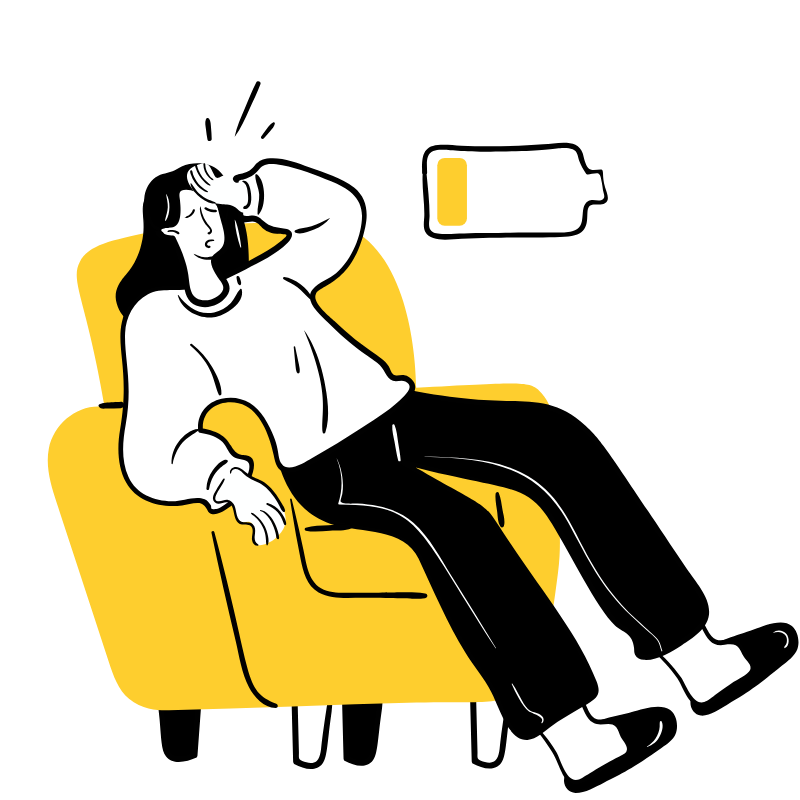
Feeling drained during travel is common. Long flights disrupt sleep and hydration, airports overstimulate the senses, and hours of sitting slow the body down. When these factors stack together, fatigue is a normal response, not a personal failure.
What Are You Dealing With Right Now?
Travel recovery isn’t one-size-fits-all. The right next step depends on whether you’re already exhausted in a terminal, recovering at home, planning a wellness stop, or prepping for an upcoming flight. Pick the situation that fits, and we’ll route you to the part that actually helps.
right now
I’m in the airport and feel awful
Foggy head, swollen legs, stiff back, drained. You don’t have time to read a guide — you need things you can do in the next 30 minutes that actually work.
- Feet, ankles, or shoes feel tight
- Headache building or already started
- Can’t get comfortable anywhere
- Less than 8 hours until your next flight
recovery
I just landed and need to recover properly
Jet lag, sleep debt, accumulated travel fatigue. You have a day or two to actually recover — and you want to know what your body is doing and how to support it without making things worse.
- Sleep is off-pattern after returning
- Still foggy 2–3 days post-flight
- Body sore from multiple legs or long-haul
- Immune system feels run-down
wellness stop
I want to use my layover for real wellness
You have meaningful time — a long layover, an overnight, or a deliberate stopover — and you want to use airport spas, massage, sleep pods, or advanced recovery services properly.
- 3+ hour layover at a major hub
- Overnight or deliberate stopover
- Interested in airport spa or massage
- Open to advanced recovery options
preparation
I’m planning ahead to travel and recover better
Your flight is coming up. You want the right gear, a sleep strategy, and a clear plan for what to do before, during, and after — so you arrive in good shape instead of recovering for days.
- Long-haul in the next few days or weeks
- Crossing multiple time zones
- Want to know what to buy and pack
- First major international trip in a while
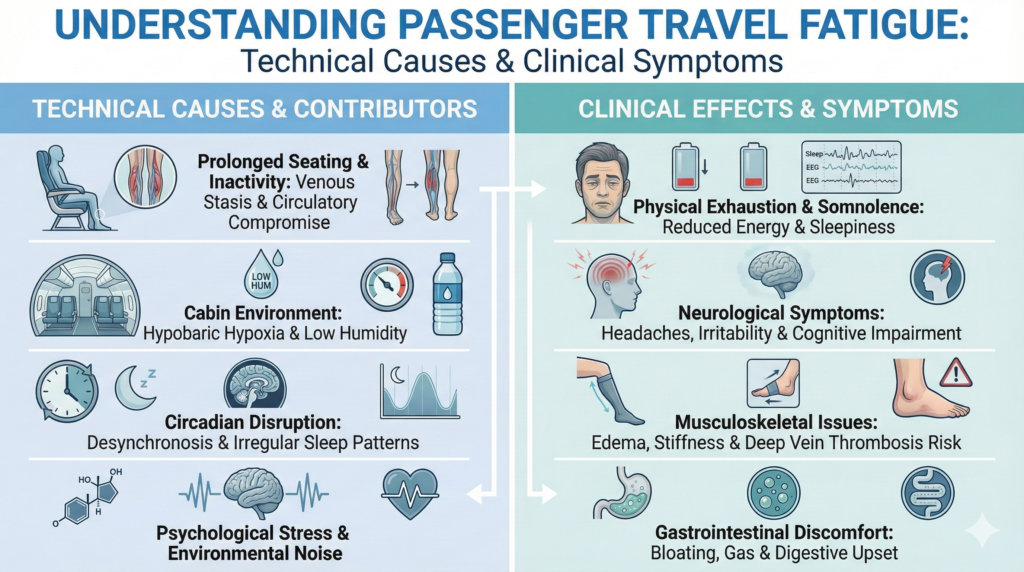
Why You Still Feel This Way After Flying
Most of what you’re feeling has a name, a cause, and a window. Here’s what’s actually happening,
and why it usually takes longer than one night to clear.
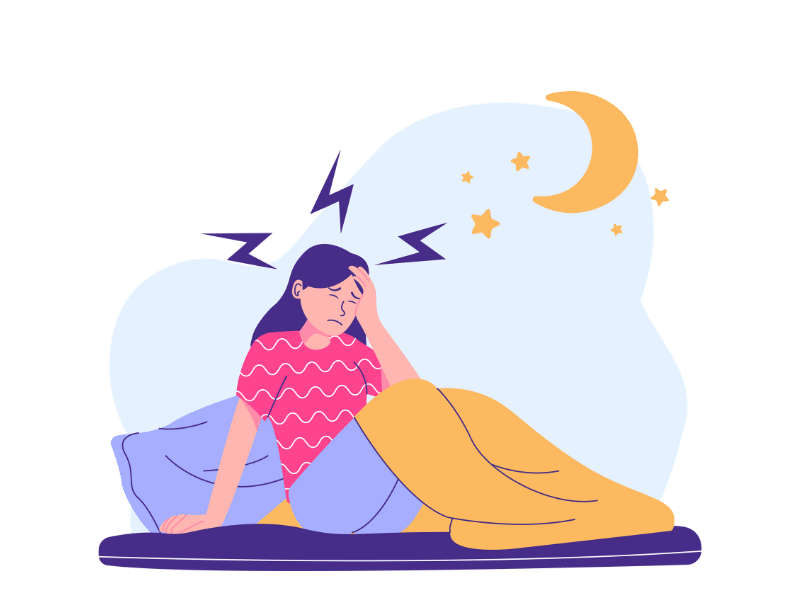
You Can’t Sleep Even Though You’re Exhausted
You haven’t properly slept in over a day, but the moment you close your eyes, your brain starts running through gate numbers, connection times, and everything you still need to do. This isn’t restlessness. This is jet lag doing exactly what it’s designed to do — your body clock is still anchored to the time zone you left, releasing the wrong hormones at the wrong time. You’re not wired because you’re anxious. You’re wired because your circadian system genuinely believes it’s the middle of the afternoon.
Your Body Feels Heavier Than It Should
Your shoes feel tight. Your back won’t loosen no matter how you sit or stand. Everything aches in a low-grade, all-over way that you can’t quite stretch out. Hours of immobility in a pressurized cabin compress the spine and slow the circulation in your legs to a near standstill. The fluid that should be moving through your lower body has been sitting still for hours. That heavy, stiff feeling when you finally stand up is not about fitness. It is your body asking — quite literally — to move.
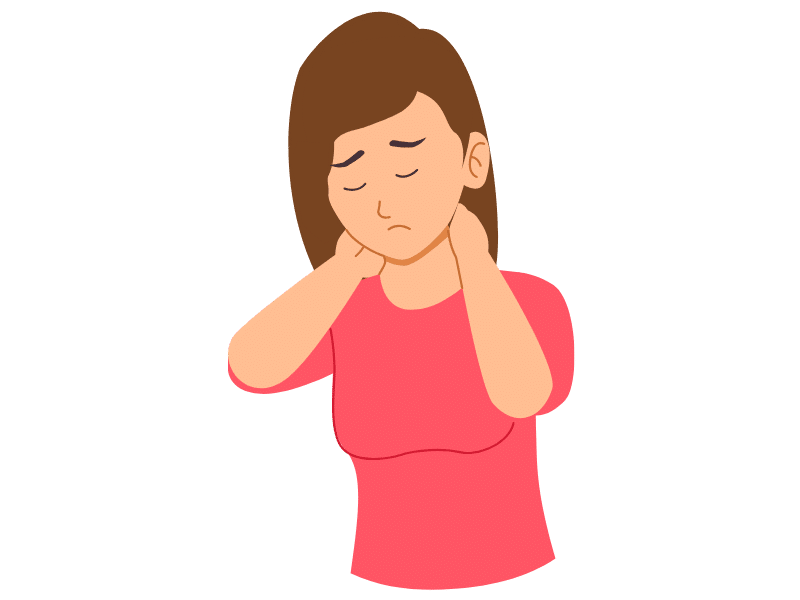
Your Head Feels Like It’s Running on Low Power
You’re standing in front of the food options and can’t choose. You read the same gate number three times. A thought you had thirty seconds ago is completely gone. This is what happens when mild dehydration, disrupted sleep, and hours of sensory overload compound on top of each other. The part of your brain responsible for decisions, patience, and clear thinking runs on resources that travel quietly and are quietly depleted. It is not permanent. But it does not respond to caffeine the way you’re hoping.
Jet Lag Doesn’t End When You Get Home
Three or four days after landing, you are still waking at 2 am and fading by early afternoon. Your body clock needs roughly one day to adjust for every hour of time zone difference — and that’s only with the right inputs at the right times. Light exposure, meal timing, and sleep timing all signal your circadian system. Most people get these wrong without knowing it, which is why jet lag drags on far longer than it needs to. The body isn’t being difficult. It’s waiting for the right cues to reset.
Why Travel Feels Harder Than Expected
Sleep disruption
Your body clock is set by light, routine, and meal timing. A long flight breaks all three at once. Crossing time zones means your brain is releasing sleep hormones at the wrong moment — so even if you sleep on the plane, you often land feeling more disoriented than rested.
Dehydration
Cabin humidity sits at 10–20%, far lower than normal indoor air. Your body loses water through breathing and skin without the usual thirst response to compensate. By the time a headache arrives, you’re already well behind on fluids — and plain water doesn’t always rehydrate as fast as you’d expect.
Sitting too long
The lymphatic system — which clears fluid and waste from your muscles — has no pump of its own. It runs on movement. Hours of immobility means fluid pools in the legs, metabolic waste lingers in muscles, and the spine compresses under sustained load. That heavy, locked-up feeling on landing is the body asking to move.
Overstimulation
Airports are built for throughput, not comfort. Noise, crowd pressure, constant decision-making, and the background stress of not missing your flight keeps cortisol elevated for hours. By the time you board, your nervous system is already running hot — and the flight adds more of the same before you’ve had a chance to reset.
What Actually Helps You Recover
Recovery comes down to four things your body is asking for. Understanding why each one matters makes a bigger difference than any list of tips.
Sleep & Rest
The timing of sleep matters more than the amount. Resting at the right moment for your destination’s time zone accelerates adjustment faster than trying to catch up on hours alone. Even 20 minutes of genuine quiet — no screens, no noise — helps the nervous system begin to downregulate.
Hydration
Electrolytes help the body actually absorb and hold fluid at the cellular level — something plain water doesn’t always do efficiently after a long flight. Rehydrating with a balanced electrolyte mix in the first hour after landing works faster and further than water alone.
Movement
Even 15 minutes of walking restarts lymphatic drainage in the legs, relieves spinal compression, and signals the body that the sedentary phase is over. You don’t need a gym — walking the terminal is enough to shift how you feel before your next flight.
Mental Reset
The nervous system needs deliberate input reduction — not a switch from one screen to another. Finding a quiet space and giving the brain 15–20 minutes without demands is one of the most underused recovery tools available to any traveler at any budget.
Recovery Tools and Simple Guidance
Use the calculators to match recovery options to your situation. Use the checklists to know what to do before, during, and after. Free — no signup needed.
Jet Lag Adjustment Calculator
Enter your route and departure time. Get a personalised schedule for light exposure, meals, and sleep to reset your body clock faster.
Open Calculator →Stopover Recovery Strategist
Tell it your layover length, airport, and how you’re feeling. It builds a personalised recovery plan based on what’s actually available to you.
Open Strategist →Travel Fatigue Calculator
Measure your accumulated fatigue score based on flight time, time zones crossed, and sleep quality. Understand what level of recovery you actually need.
Open Calculator →Jet Lag Recovery Checklist
A phased checklist built around circadian adjustment. Works for any route — covers the 48 hours before, during, and after landing.
View Checklist →Long Flight Recovery Checklist
Built specifically for flights over 8 hours. Covers hydration, movement, sleep timing, and the first 24 hours after you land.
View Checklist →Travel Body Reset Checklist
A full-body reset protocol for multi-leg itineraries. Addresses sleep, circulation, digestion, and nervous system recovery in sequence.
View Checklist →Stopover Gut Sync Checklist
Designed for travelers dealing with digestive disruption during and after long-haul flights. Covers meal timing, hydration, and gut reset by layover length.
View Checklist →
Travel Takes More Than
Most People Expect.
Most of what you feel after a long flight has a name, a cause, and a recovery window. The difference between a trip that drains you for a week and one you actually feel good after comes down to knowing what your body is asking for — and responding at the right time. The tools and guides on this page are here whenever you need them.
Going Beyond Recovery.
Into Wellness.
Recovery is about getting back to baseline. Wellness is about arriving somewhere better than you started. For travelers with longer layovers, deliberate stopovers, or a genuine interest in what’s available at major airports and nearby cities — this section is being built for you.
Airport Spa & Wellness Guide
What’s available inside secure zones at major hubs — massage, pods, showers, lounges, and compression therapy.
Advanced Recovery Tech
Cryotherapy, float tanks, hyperbaric oxygen, red light therapy — where to find them near major airports.
Destination Spa Stopovers
City-by-city guides to wellness districts worth extending a layover for. Bangkok, Singapore, Dubai, and more.
Wellness Tech & Wearables
Sleep trackers, HRV monitors, and recovery devices worth carrying — ranked by actual travel use.
Already published: the Specialized Wellness Stopovers guide covers advanced recovery and biohacking options available to travelers right now — including float tanks, IV therapy, and compression boot sessions near major airports.
Read the Advanced Guide →