Dubai Layover The Stopover That Feels Better Than the Destination
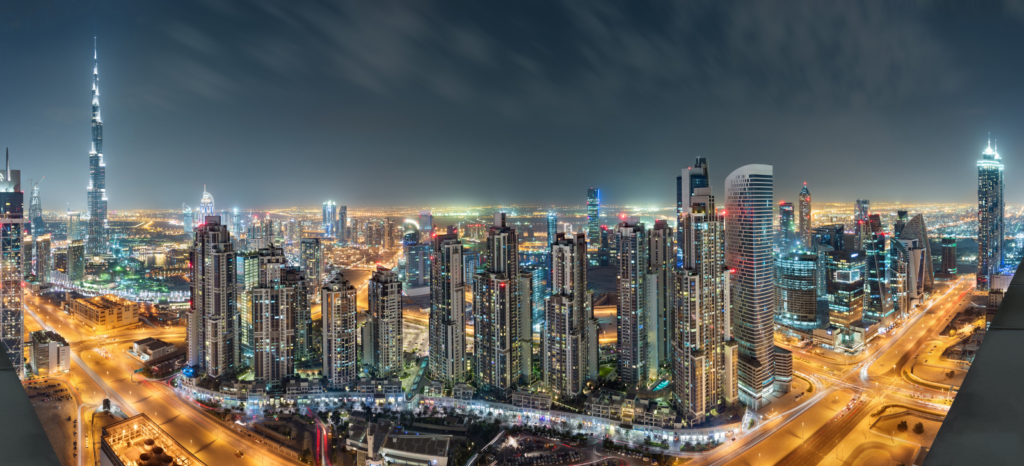
Dubai has a peculiar effect on layover travellers. You land expecting a transit stop and find yourself staring through the terminal window at a skyline that looks like it was designed specifically to make you want to leave the airport. The world’s tallest building. An indoor ski slope. A creek-side souk that predates the towers by centuries. Most people stay in their seat and scroll their phones. They shouldn’t.
DXB is one of the world’s best-connected airports and one of the most accessible cities to escape to during a layover. The Dubai Metro runs from Terminal 1 and Terminal 3 directly to Downtown in under 30 minutes for less than the price of a coffee. The visa situation is simpler than most people assume — the majority of Western passport holders receive a free stamp on arrival. And the Emirates Dubai Connect program means that if your layover is long enough, the airline may put you in a five-star hotel at no cost before you even ask.
This guide covers everything: the visa reality, the Metro, the Decision Gauge, what’s actually worth your time in the city, where to eat inside and outside the airport, and how to be back at your gate with time to spare.
Quick Answers: Dubai Layover FAQs
Yes — if you have the right visa or are eligible for a free visa on arrival. Most Western passport holders receive a stamp on arrival valid for 30 days. You need a minimum of 5 hours. The Dubai Metro connects DXB to Downtown in approximately 25 minutes.
It depends on your passport. Many nationalities including the US, UK, EU, Australia, and Canada receive a free visa on arrival. Others must apply for a 48-hour or 96-hour transit visa in advance. If you plan to stay airside only, no visa is needed for layovers under 24 hours. Check at iVisa.com.
A free complimentary hotel program for eligible Emirates passengers with layovers of 8–26 hours. Qualifying passengers receive a hotel room, meals, and transfers at no cost. Apply through Emirates after booking — eligibility depends on fare class and availability.
The Dubai Metro Red Line — 25 minutes to Union Station or 30 minutes to Burj Khalifa/Dubai Mall station. Runs every 5–7 minutes. Cost: AED 5–8 each way. Taxis are faster (20–30 min) but cost AED 50–70 to Downtown.
If you’re flying Emirates with a layover of 8–26 hours, check your eligibility for Dubai Connect before anything else. Qualifying passengers receive a complimentary hotel room (typically 4 or 5 star), meals, and airport transfers — at no cost. This is one of the most valuable free programs in aviation and most passengers who qualify never apply for it.
Apply through Emirates at emirates.com/dubai-connect immediately after booking. The service is capacity-controlled and requires advance application. Do not assume it applies automatically.
The Layover Decision Gauge
Dubai’s biggest layover variable isn’t the Metro — it’s your visa situation and the time of day. The Metro is reliable and fast. But Dubai traffic during peak hours (7–9am and 5–8pm) can add 30–45 minutes to any road journey. If you’re taking a taxi, build that buffer in. If you’re on the Metro, don’t worry — it runs independently of road congestion.
The Metro is 25 minutes each way, immigration adds time, and you’ll need 90 minutes to clear security and reach your gate. Under 5 hours leaves no usable city time. DXB has exceptional airside options — the Emirates First Class Lounge in Terminal 3 is among the finest in the world, and the Dubai International Hotel inside Terminal 3 is accessible without clearing customs. Stay, eat well, and rest.
You have time for one area — not both. Take the Metro to Burj Khalifa/Dubai Mall for the fountain and observation deck, or head to Union Station for the Abra ferry and Gold Souk in Old Dubai. Do not attempt both. Avoid peak traffic hours for your return leg, and be back on the Metro no later than 2.5 hours before departure.
The city is yours. Burj Khalifa, Dubai Mall, the Dubai Fountain, a creek Abra ride, the Gold Souk — you can do all of it with 10+ hours. With an overnight layover, consider the Emirates Dubai Connect program for a complimentary hotel stay. Begin your return journey no later than 2.5 hours before your flight, or 3 hours during peak traffic periods.
Visa Requirements for a Dubai Layover
The UAE visa situation is more nuanced than most destinations — and more favourable to Western travellers than most people assume. Here’s the reality:
- Free visa on arrival (30 days): US, UK, EU member states, Canada, Australia, New Zealand, Japan, South Korea, and many others. No advance application needed — you receive a stamp at immigration.
- GCC nationals: No visa required (Oman, Saudi Arabia, Bahrain, Kuwait, Qatar).
- 48-hour transit visa (AED 170): For nationalities not eligible for visa-on-arrival who want to leave the airport for a short layover. Apply in advance through your airline or iVisa.com.
- 96-hour transit visa (AED 290): For longer layovers — up to 4 days in the city. Apply at least 5 working days in advance.
- Airside transit (no visa): If your layover is under 24 hours and you are not leaving the airport, no visa is required for most nationalities.
Getting from DXB to the City
Dubai International is well connected to the city, but not all routes are equal. The Metro is the fastest and most reliable option for layover travellers. Taxis are quicker point-to-point but expensive and subject to traffic. Careem and Uber both operate from DXB but share the same road conditions.
| Option | Journey Time | Cost (one way) | Best For |
|---|---|---|---|
| Dubai Metro Red Line Recommended | 25–30 min to Downtown | AED 5–8 (~US$1.50–2.20) | All layover travellers. Runs every 5–7 min. Connects T1 and T3 directly to Burj Khalifa, Dubai Mall, and Union stations. |
| Taxi (metered) | 20–35 min (traffic dependent) | AED 50–70 (~US$14–19) | Groups or off-peak travel. Faster point-to-point but subject to significant delays during rush hour. |
| Careem / Uber | 20–45 min (traffic dependent) | AED 40–80 (~US$11–22) | Door-to-door convenience. Compare both apps for pricing. Pickup from designated rideshare zones on arrivals level. |
| Bus (RTA) | 45–70 min | AED 2–5 (~US$0.55–1.40) | Budget option only. Significantly slower than Metro with multiple stops. Not recommended for tight layovers. |
Dubai Itineraries by Layover Length
All plans use the Metro as the baseline. Traffic in Dubai is real — avoid road transport during the 7–9am and 5–8pm peak windows if at all possible. Always allow 2.5 hours to return to DXB and clear security.
The Abra crossing is one of the quietest pleasures in Dubai — a wooden boat, a one-dirham coin, and four minutes of open water between the old Deira side and Bur Dubai. The creek is narrow, the buildings crowded in on both sides, and the smell is spices and diesel and salt. You’re sitting with fishermen and commuters and families, nobody taking a photograph, nobody treating it as anything other than the ordinary way to get from one side to the other. Behind you the towers are invisible. Ahead of you is a neighbourhood that existed before any of them. You have a boarding pass in your pocket and two hours until your flight and you are, for the length of that crossing, completely somewhere else.
Dubai Food Guide for Layover Travellers
Dubai’s food scene is one of the most genuinely diverse in the world — a city where you can eat exceptional Emirati slow-cooked lamb, Indian biryani, Lebanese mezze, and Japanese omakase within a few blocks of each other. These are the dishes and spots worth prioritising on a short layover.
What to Eat in Dubai
DXB Airport Amenities — What’s Worth Knowing
Dubai International is built for long layovers. The facilities across all three terminals are well above average, and Terminal 3 — the Emirates flagship — is in a different category entirely. If you’re staying airside, you’re not settling.
Short Stay Hotel Options at DXB
Dubai has some of the best airport hotel options in the world — from a free Emirates-provided hotel to an airside property with a pool that you can access without clearing customs.
Luggage Storage During a Dubai Layover
Walking the Gold Souk or the Dubai Mall with a rolling carry-on is nobody’s idea of a good time. Store your bags at the airport before you leave — it costs almost nothing and changes how freely you move through the city.
At DXB
Left luggage facilities are available in Terminal 1 (arrivals level), Terminal 2, and Terminal 3 (arrivals and transit areas). Cost: approximately AED 25–45 per bag per day depending on size. Open 24 hours. If your layover is long enough to clear immigration, the arrivals-level storage counters are most accessible.
In the City
Top 10 Things to Do During a Dubai Layover
Ranked by impact per hour and accessibility from DXB — the first three are achievable on a 5-hour layover. The rest unlock progressively with more time.
The 124th and 148th floor observation decks of the world’s tallest building. The view is extraordinary — the full spread of Dubai from the desert to the Gulf, with the fountain pool directly below. Pre-book on Klook to skip the queue; walk-up tickets on busy days can mean a 2-hour wait you don’t have.
The world’s largest choreographed fountain — 274 metres of water jets, lights, and music. Free from the promenade, runs every 30 minutes after 6pm and every hour from 1pm. If you’re timing a visit around the Burj Khalifa, plan to catch an evening show from the waterfront before your return.
A traditional wooden Abra boat across Dubai Creek — AED 1, four minutes, and the most human experience Dubai offers. The creek divides old Deira from old Bur Dubai. Take it from the Bur Dubai Abra Station to the Deira Old Souk side and walk into the Gold Souk from there. Runs 24 hours.
The Gold Souk in Deira is one of the largest gold markets in the world — narrow covered lanes lined with window displays of jewellery at every price point. Next to it, the Spice Souk smells of saffron, frankincense, and dried limes. You don’t have to buy anything to make it worth visiting.
Dubai’s oldest surviving neighbourhood — traditional wind-tower architecture, narrow lanes, small galleries, and the Dubai Museum in Al Fahidi Fort. The museum covers the city’s transformation from a pearl-diving village to a global metropolis. Quiet, walkable, and unlike anywhere else in Dubai.
A 150-metre picture frame structure with Old Dubai on one side and New Dubai on the other — the concept is genuinely clever and the glass-floored sky bridge between the two towers is memorable. Often overlooked in favour of the Burj Khalifa but significantly cheaper and shorter queues.
One of the largest malls in the world — but also home to the Dubai Aquarium and Underwater Zoo (an enormous tank viewable from the ground floor for free), an Olympic-sized ice rink, and the Dubai Fountain view terrace. Worth an hour even if shopping isn’t your intention.
A 4×4 dune-bashing experience followed by a desert camp with camel rides, Arabic coffee, and dinner under the stars. Only viable for 12+ hour layovers — the round trip with tour time is 6–7 hours. Book through Klook and confirm pickup from DXB directly with the operator.
The public beach near the Jumeirah Beach Hotel offers a clean stretch of sand with the Burj Al Arab visible offshore — one of Dubai’s most recognisable views. Best between October and April when the heat is manageable. Taxi from Downtown: AED 30–50. Not worth it in summer.
A 7-kilometre promenade around a man-made marina filled with yachts and lined with restaurants. The Metro Red Line goes directly to Dubai Marina station. Best in the evening when the lights are on and the restaurants are full. A completely different side of Dubai from the Creek or Downtown.
Dubai Neighbourhood Orientation
Dubai is long and linear — built along a single highway (Sheikh Zayed Road) with the Metro running parallel. For layover travellers, the relevant areas cluster around the Creek in the north and Downtown in the middle.
Book Experiences & Skip the Queue
At the Burj Khalifa especially, walk-up queues can swallow an hour of layover time you haven’t budgeted for. Pre-booking eliminates this entirely.
Staying Connected in Dubai
Dubai has excellent mobile infrastructure — 4G and 5G coverage is widespread across the city, and free Wi-Fi is available at DXB, most malls, and many restaurants. For international visitors, an eSIM is the cleanest solution: buy before you land and have data the moment you clear immigration.
Money and Payments in Dubai
Dubai uses the UAE Dirham (AED), pegged to the US Dollar at approximately 3.67:1. Card payments are accepted almost everywhere — Visa and Mastercard work at all hotels, restaurants, and major attractions. The Metro and Abra require a Nol Card or cash. Taxis accept cards but some drivers prefer cash.
- Best travel card: Wise or Revolut for fee-free AED withdrawals at real exchange rates.
- Avoid: Airport currency exchange — the rates at DXB are poor. Use an ATM after clearing immigration.
- Cash: Keep AED 50–100 for Nol Card top-ups, Abra crossings, chai kiosks, and shawarma counters.
- Nol Card: Available at any Metro station machine. Minimum purchase AED 6 (card) + AED 25 (minimum top-up).
Dubai Layover Budget Breakdown
| Item | Budget | Mid-Range | Splurge |
|---|---|---|---|
| Metro (return) | AED 16 (~US$4) | AED 16 (~US$4) | Taxi AED 140+ (~US$38) |
| Main attraction | Free (Fountain, Creek) | AED 149 (Burj Khalifa L124) | AED 599 (Burj Khalifa L148) |
| Lunch | AED 20–35 (shawarma/biryani) | AED 80–150 | AED 300–600+ (waterfront) |
| Luggage storage | AED 25–45 | AED 25–45 | AED 25–45 |
| Drinks/snacks | AED 5–20 | AED 30–60 | AED 80–200 |
| Total estimate | AED 66–120 (~US$18–33) | AED 300–420 (~US$82–115) | AED 1,200+ (~US$330+) |
Dubai Weather — What to Expect by Season
Dubai’s climate is one of the most important planning factors for a layover. Summer is genuinely extreme — not just hot but physically challenging for outdoor exploration. The best layover season by a considerable margin is October through April.
- Winter (Nov–Mar): 18–28°C (64–82°F). Excellent. Clear skies, cool evenings, and comfortable outdoor conditions. Peak tourist season — book Burj Khalifa tickets well in advance.
- Spring (Apr–May): 28–38°C (82–100°F). Warm and increasingly humid. Still manageable in the mornings. Avoid extended outdoor exposure after midday.
- Summer (Jun–Sep): 38–48°C (100–118°F) with extreme humidity. Outdoor exploration is genuinely hazardous during the day. Stick to indoor attractions or early mornings only. DXB’s airside amenities become particularly appealing during this season.
- Autumn (Oct): 30–38°C (86–100°F). Heat beginning to ease. Outdoor walks become possible again in the evenings. The start of the preferred layover window.
Travel Insurance for Dubai Layovers
DXB handles over 90 million passengers annually and operates as a connecting hub for routes between Europe, South Asia, Southeast Asia, and Africa. When disruptions happen here, they cascade fast. A missed connection through Dubai on separately booked tickets can mean rebooking a long-haul flight at very short notice — not a situation to face without cover.
- Same booking ticket: Your airline is obligated to rebook you at no cost if the delay is their fault.
- Separately booked flights: You bear the full cost. Transatlantic or transpacific fares at short notice through Dubai are expensive.
What to Wear in Dubai — Dress Code Guide
Dubai is a liberal city by Gulf standards, but dress code expectations are real and worth understanding before you leave the airport. Getting it right takes 30 seconds of planning and avoids any awkwardness — particularly in the older parts of the city.
In Malls, Souks, and Public Spaces
Shoulders and knees should be covered for all genders. This is both a cultural expectation and, in some government buildings, a legal requirement. A light scarf or shirt over a vest is enough. Most malls in Dubai enforce this at the entrance — staff will politely stop you if you’re dressed in a way that doesn’t meet the standard.
In Beach Areas and Hotels
Standard international dress norms apply. Swimwear is fine at the beach and pool. Outside of those specific zones — in the hotel lobby, at poolside restaurants, walking to the beach — cover up with a wrap or shirt.
In the Old City — Deira, Al Fahidi, Around the Creek
This is where dress code matters most. The Creek area, the Gold Souk, the Spice Souk, and Al Fahidi are traditional neighbourhoods with a more conservative atmosphere. Loose, light clothing covering shoulders and knees is the right call here — both out of respect and because it’s genuinely cooler in the heat.
During Ramadan
During the holy month of Ramadan (dates shift annually — check before you travel), eating, drinking, and smoking in public during daylight hours is prohibited by law and applies to all visitors regardless of religion. Many restaurants close during the day or operate with screened seating areas. Be aware, be respectful, and ask your hotel or airport staff if you’re unsure about what’s open.
Dubai for Women Travelling Solo
Dubai is one of the safest cities in the world for women travelling alone — including for short layover visits with no hotel or pre-arranged plans. That said, a few specific things are worth knowing before you arrive.
Safety
Violent crime against tourists is exceptionally rare. The tourist areas — Downtown, Dubai Mall, the Creek, the Metro — are busy, monitored, and generally comfortable at all hours. Solo women travellers consistently rate Dubai as one of the most manageable cities in the Middle East to navigate independently.
The Metro — Women’s Cabin
Every Dubai Metro train has a dedicated pink cabin at the front reserved for women and children. You are not required to use it, but it exists and is consistently less crowded than the mixed carriages during peak hours. A useful option during rush periods.
Dress Code for Women Specifically
In practice, the dress code for women in public spaces is shoulders and knees covered. In beach areas and hotel pools, swimwear is fine. In the souks and older neighbourhoods, loose clothing that covers the arms and legs is both respectful and more comfortable in the heat. You will not be harassed for wearing Western clothing in tourist areas — the standard is applied gently and most encounters with locals are genuinely warm and welcoming.
Taxis and Rideshare
Dubai taxis are metered, regulated, and safe. Careem and Uber both operate with GPS-tracked rides. Some taxi companies offer pink taxis driven by female drivers, specifically for women passengers — available through the RTA taxi app if preferred.
Safety Tips for Dubai Layover Travellers
Dubai is one of the safest cities in the world for travellers. Violent crime is extremely rare, tourist areas are well-policed, and the city is genuinely welcoming to visitors from every background. A few things worth knowing:
- Dress modestly in public: Outside of beach areas and hotels, conservative dress is expected and legally required in some contexts. Shoulders and knees covered in malls, souks, and government areas. This applies to all genders.
- Ramadan considerations: During Ramadan, eating, drinking, and smoking in public during daylight hours is prohibited. Many restaurants close during the day. Check the calendar before your travel dates.
- Photography: Avoid photographing government buildings, military installations, and people without permission. The Abra and souk areas are generally fine — use common sense.
- Summer heat: Dehydration is a real risk between June and September. Carry water, stay in air-conditioned spaces during midday, and limit outdoor time to early mornings.
- DXB security queues: Allow 2–3 hours for international security at DXB. Peak times can extend this. Do not cut your return margin on the assumption that security will be fast.
Frequently Asked Questions
Yes — and Dubai is one of the best cities in the world for a layover visit. The Dubai Metro Red Line connects DXB Terminal 1 and Terminal 3 directly to Downtown and the Creek area in 25–30 minutes. You need a minimum of 5 hours to make leaving worthwhile. The visa situation is simpler than most people assume — citizens of the US, UK, EU, Canada, and Australia receive a free visa stamp on arrival, valid for 30 days. Always allow at least 2.5 hours to return to DXB and clear international security, and 3 hours during peak periods.
It depends on your passport. Citizens of the US, UK, EU member states, Canada, Australia, New Zealand, Japan, South Korea, and many other countries receive a free visa on arrival valid for 30 days — no advance application required. If you plan to stay airside without leaving the airport, no visa is required for layovers under 24 hours regardless of nationality. If your passport requires a transit visa, you must apply in advance — either through your airline, the UAE immigration portal, or iVisa.com. Transit visas are not issued on arrival. Always check your specific passport requirements before travelling.
Emirates Dubai Connect is a free complimentary hotel program for eligible Emirates passengers with layovers of 8–26 hours. Qualifying passengers receive accommodation in a 4 or 5-star hotel near the airport or in the city, meals, and airport transfers at no cost. Eligibility depends on your fare class and connection availability — not all bookings qualify. Apply through Emirates at emirates.com/dubai-connect after booking your flights. The service is capacity-controlled and requires advance application. Do not assume it applies automatically — many passengers who qualify miss out simply because they don’t apply. If you’re flying Emirates with a long overnight connection, check this before anything else.
Take the Metro to Burj Khalifa/Dubai Mall station (30 minutes), pre-book your At the Top ticket on Klook before you land, and spend an hour on the observation deck. Then walk to the Dubai Fountain promenade — if your timing catches a show, it takes 5 minutes and costs nothing. Head back on the Metro with your 2.5-hour buffer intact. You’ve seen the world’s tallest building, stood at its base, and watched the world’s largest fountain dance. Most people passing through Dubai never leave the terminal. You should.
Yes — DXB Terminal 3 is among the finest airports in the world for transit passengers. The Emirates First Class Lounge is extraordinary even by global standards. The Marhaba Lounge is accessible via day pass to all passengers regardless of airline. Sleep ‘N Fly pods are available for genuine rest. The duty-free operation is one of the largest in aviation. And the Dubai International Hotel inside Terminal 3 gives you pool access, a proper bed, and multiple restaurants without clearing customs. If you have a short layover and can’t leave, you’re not settling.
Follow signs for the Metro from your terminal. Terminal 3 has its own Metro station (Emirates station) on the Red Line. Terminal 1 connects via a short walkway to the Airport Terminal 1 station. Board the Red Line heading toward Jebel Ali — Downtown is 8–9 stops south, at the Burj Khalifa/Dubai Mall station. Cost: AED 5–8 depending on which zone you exit. Buy a Nol Card at the station machine (AED 6 card fee + minimum AED 25 top-up) or tap a contactless credit card directly at the gates in Gold Class or Silver Class carriages. Note that women and children have a designated cabin at the front of each train.
Yes. Dubai is consistently rated one of the safest cities in the world, including for solo women travellers. Violent crime is extremely rare. The tourist areas — Downtown, the Mall, the Creek, and the Metro — are busy, well-lit, and monitored. Women have a dedicated cabin at the front of every Metro train. The main cultural points to be aware of: dress modestly in malls, souks, and public spaces (shoulders and knees covered), and avoid public displays of affection. In beach areas and hotels, international dress norms apply. With those adjustments, solo travel in Dubai is straightforward and comfortable.
If both flights are on the same booking, Emirates or your airline must rebook you at no extra cost if the delay is their fault. If your flights are separately booked — common when travellers deliberately build in a long Dubai layover — you bear the entire cost of a replacement ticket. DXB connects to routes across Europe, South Asia, Southeast Asia, and Africa, and replacement fares at short notice on these routes can run into thousands of dollars. Travel insurance covering missed connections is not optional for separately booked flights through Dubai. Insure My Trip, World Nomads, and EKTA Traveling all cover this scenario.
More Layover Guides